


AJK Elections 2026: The Political Future of Disputed Region

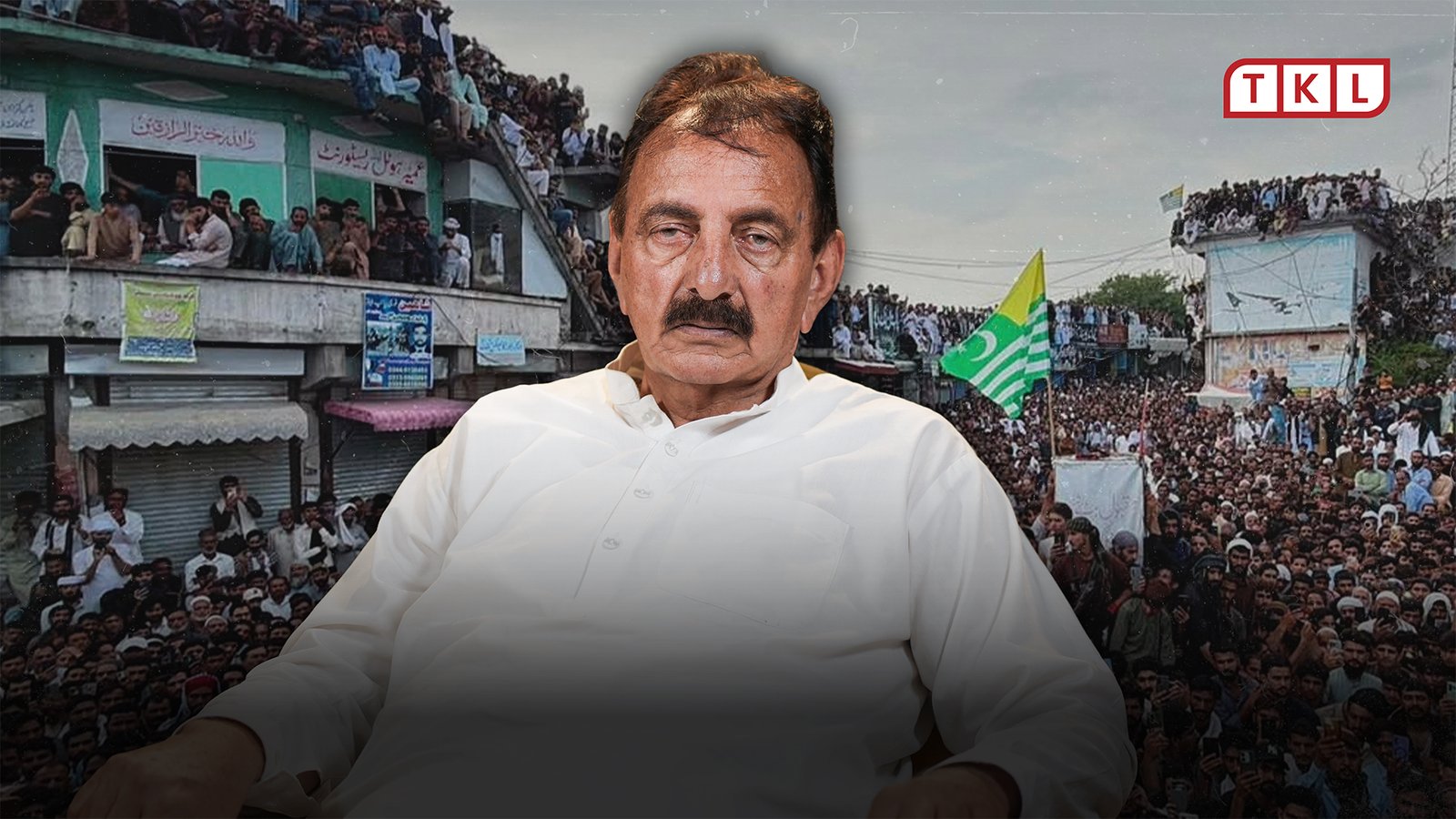
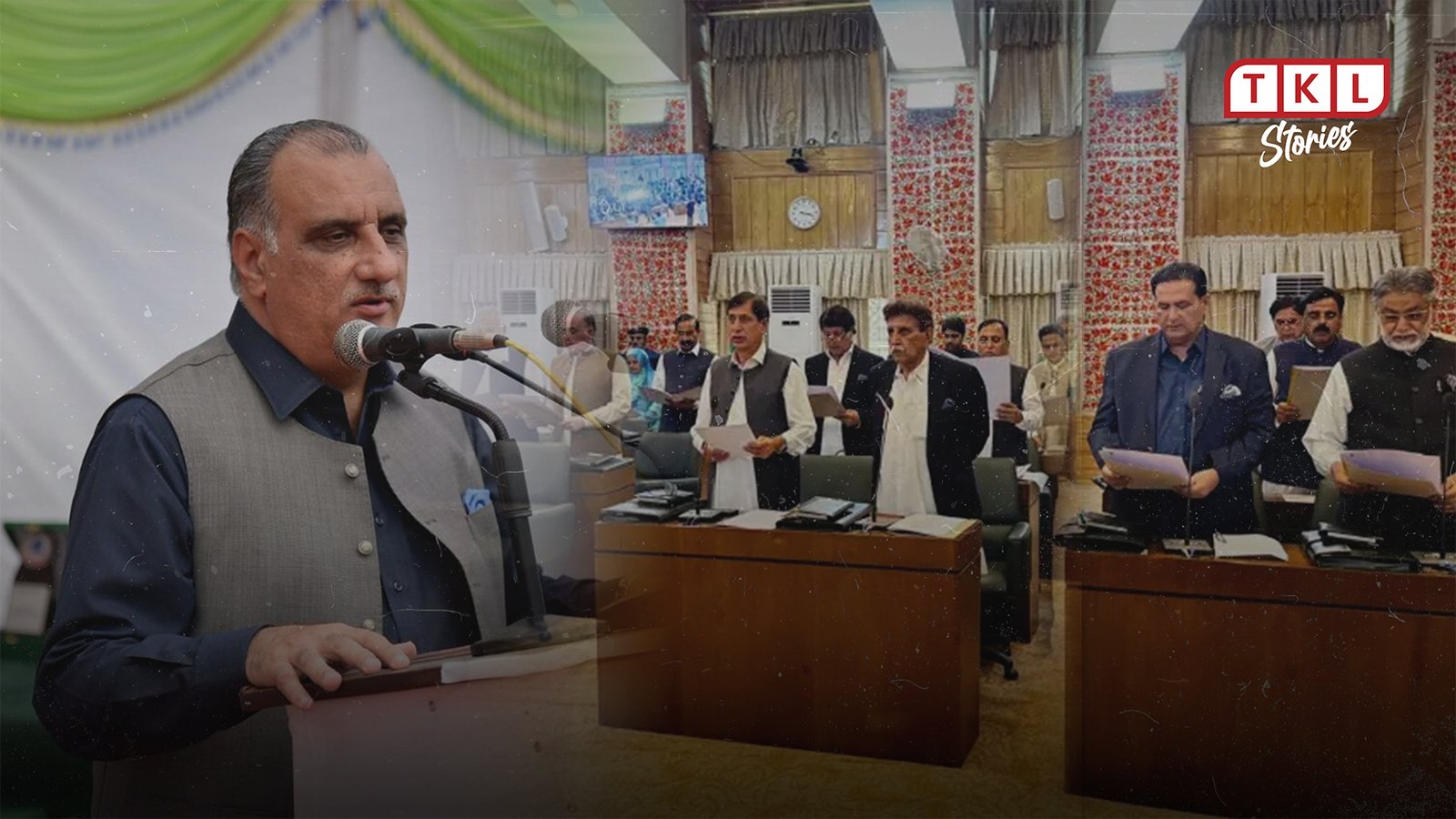
AJK Elections 2026 – Azad Jammu and Kashmir is passing through one of the most politically significant periods in its recent history. While a prolonged protest movement has challenged the political status quo for months, the region is simultaneously electing a new Legislative Assembly under an atmosphere of heightened political polarization and public scrutiny.
The elections for the 45-member Azad Jammu and Kashmir Legislative Assembly are being conducted in three phases. Two phases have already concluded, covering the Mirpur and Muzaffarabad divisions along with the twelve refugee constituencies. The final phase, scheduled for 10 August, will determine the representatives from the Poonch Division.
AJK Elections 2026 – PML-N Dominates the First Phase
The opening phase of the elections was held on 27 July across thirteen constituencies in Mirpur, Kotli and Bhimber.
The Pakistan Muslim League (N) emerged as the dominant force by winning nine of the thirteen seats, while the Pakistan Peoples Party secured the remaining four.
The results demonstrated PML-N’s strong electoral position across the Mirpur Division and provided the party with an early advantage in the race to form the next government.
AJK Elections 2026 – Second Phase Extends PML-N’s Lead
The second phase, held on 2 August, included eight constituencies from the Muzaffarabad Division together with the twelve refugee seats.
Once again, PML-N maintained its momentum. Out of nineteen completed contests, the party won fourteen seats while the Pakistan Peoples Party secured five.
Polling in LA-27 was postponed because of severe weather conditions and landslides.
The refugee constituencies proved particularly decisive. PML-N captured ten of the twelve seats, leaving only two for the Pakistan Peoples Party.
AJK Elections 2026 – The Refugee Seats Debate
The refugee constituencies once again became one of the most controversial aspects of the election.
The banned Joint Action Committee has consistently demanded the abolition of these twelve seats, arguing that they no longer reflect the political realities of Azad Kashmir. The issue became a central point during negotiations between the government and the committee, but both sides failed to reach an agreement.
Despite the controversy, elections proceeded as scheduled, and the refugee seats significantly strengthened PML-N’s parliamentary position.
Allegations Overshadow the Polls
Like many elections in the region, the voting process was accompanied by allegations of electoral irregularities.
Reports of clashes, violence, procedural disputes and claims of rigging emerged from several constituencies. Voter turnout in some areas also remained lower than anticipated, prompting questions about public participation and confidence in the electoral process.
Following the announcement of results, both the Pakistan Peoples Party and the Pakistan Muslim League (N) accused each other of interfering in the electoral process.
PPP Chairman Bilawal Bhutto Zardari questioned the credibility of the results, accused the federal government of influencing the elections and proposed the establishment of a Truth and Reconciliation Commission to address the political tensions in Azad Kashmir.
PML-N leaders rejected those allegations, maintaining that the election reflected the democratic will of the people and urging their political opponents to accept the verdict.
Meanwhile, the Joint Action Committee rejected the elections altogether and reiterated its demand for a neutral caretaker government to conduct fresh, free and transparent elections.
AJK Elections 2026 – Final Phase Still to Come
The third and final phase of the elections will take place on 10 August in eleven constituencies spread across Bagh, Haveli, Poonch and Sudhnoti districts.
This stage will formally conclude the electoral process for the 2026 Legislative Assembly elections.
However, the broader political picture has already become increasingly clear.
Government Formation Appears Certain
After the completion of the first two phases, PML-N has secured twenty-four seats, while the Pakistan Peoples Party has won ten.
These numbers place PML-N in a commanding position to form the next government after the allocation of reserved seats. Even if the opposition performs strongly in the remaining constituencies of the Poonch Division, it is unlikely to alter the overall balance of power.
The election has effectively evolved into a two-party contest. Other political parties, including the All Jammu and Kashmir Muslim Conference, Jammu and Kashmir Peoples Party, Jamaat-e-Islami, Jamiat Ulema-e-Islam and the Istehkam Party, have so far failed to secure representation in the Assembly.
A Strong Government, A Strong Opposition
The emerging Assembly is likely to consist of a stable governing majority led by PML-N and a sizeable opposition represented primarily by the Pakistan Peoples Party.
Whether this political configuration will help reduce polarization, restore public confidence and address the deep constitutional and governance issues confronting Azad Kashmir remains uncertain.
The elections may determine who governs the territory over the next five years, but they do not by themselves resolve the broader questions that have fueled months of protests and political unrest.
As the people of the Poonch Division prepare to vote in the final phase, Azad Kashmir stands at a decisive moment. The ballots will soon determine the composition of the next Assembly, but the greater challenge will begin after the results are declared: rebuilding trust in democratic institutions and navigating a political crisis that extends far beyond the election itself.


