


Women Empowerment Through Education and Cooperation

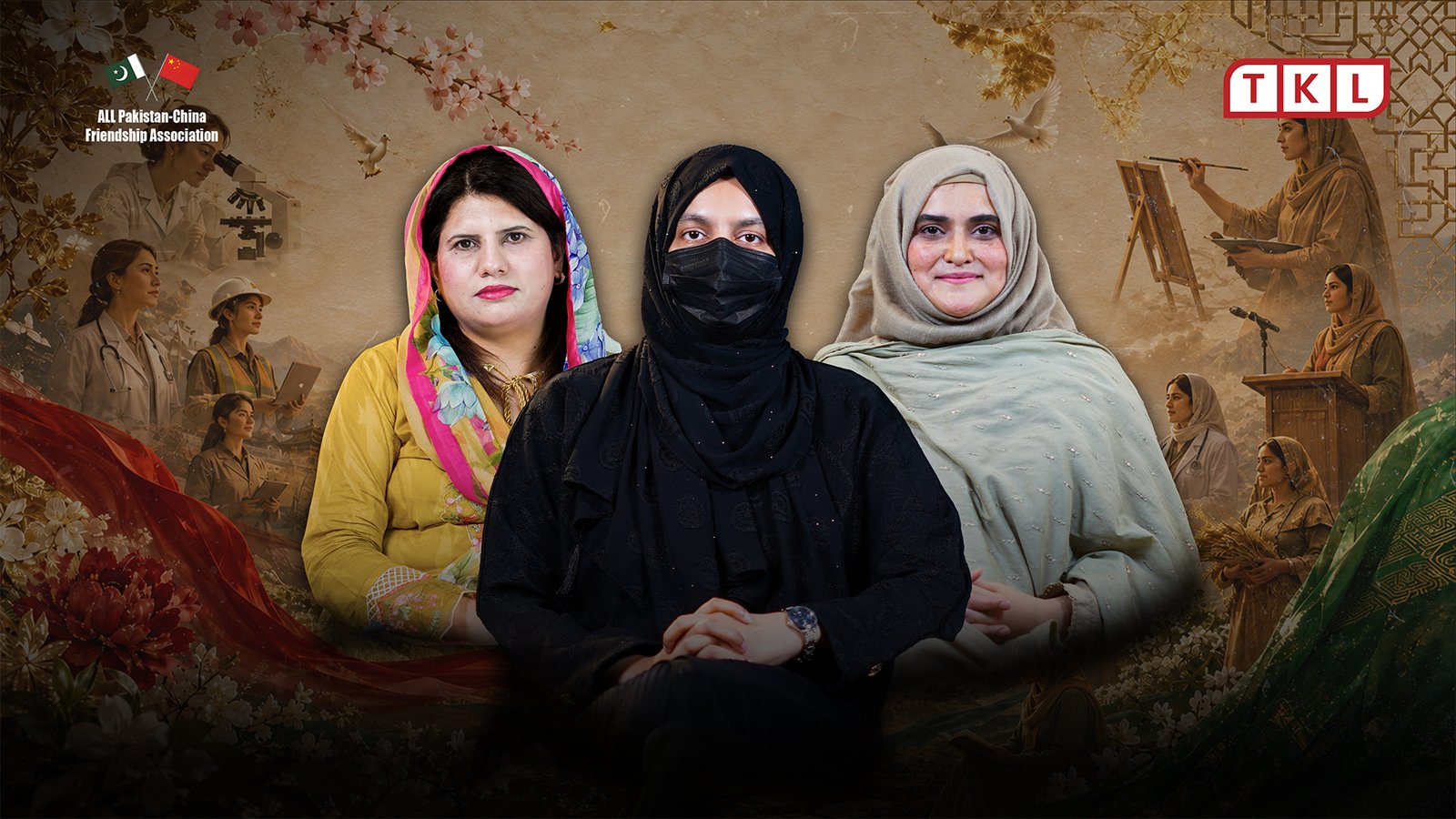
Women Empowerment – Through scholarships, professional training and cultural exchange, Pakistan-China cooperation is opening new opportunities for women and enabling them to contribute to the country’s economic and social development.
For more than seven decades, Pakistan and China have maintained a relationship built on friendship, mutual trust and cooperation. While diplomatic and economic ties have remained central to this partnership, educational and cultural exchanges are increasingly bringing people from both countries closer.
One of the most significant outcomes of this cooperation is the growing participation of Pakistani women in education, professional development and the workforce.
Every year, China offers government-funded scholarships to Pakistani students, providing opportunities to pursue higher education, develop professional skills and gain international exposure. Several programmes also focus on women’s leadership, social development, healthcare, education, technology and entrepreneurship.
For many Pakistani women, these opportunities have proved transformative.
Women who have studied in China or worked alongside Chinese professionals are now applying their experiences in Pakistan’s professional landscape. Their contributions can be seen in diverse sectors, including telecommunications, logistics, engineering, construction and social development.
Rabia Parvez, who works in logistics and supply chain management at Chinese telecommunications company ZTE, is one example. She describes how professional opportunities and gradual career progression enabled her to reach a position where she manages her department. She also highlights the growing participation of women in a field traditionally dominated by men.
Similarly, Saima Arshad’s experience in the construction and engineering sector demonstrates how women are increasingly entering professions that have historically offered limited opportunities to them. Her recruitment by China Three Gorges Corporation, following a rigorous selection process, reflects the importance of professional capabilities and equal opportunities.
Beyond technical knowledge and professional qualifications, working with Chinese organisations has also introduced Pakistani women to different workplace cultures, professional ethics and approaches to time management. Although language differences initially present challenges, growing cooperation and cross-cultural interaction are helping bridge these gaps.
Educational exchanges have also strengthened personal connections between the people of the two countries. Pakistani students who have travelled to China frequently describe the warmth and respect they receive from ordinary Chinese citizens. Such experiences demonstrate that the Pakistan-China relationship extends beyond government-level cooperation and is strengthened by people-to-people connections.
An important lesson highlighted by these experiences is the role of women in national development. The Chinese concept, “Women Hold Up Half the Sky”, reflects the importance of women’s participation in economic and social progress. Pakistani women returning from China are carrying this message into their own communities and workplaces.
Their journeys demonstrate that international educational cooperation is not simply about obtaining degrees. It is about developing confidence, acquiring new skills, understanding different cultures and creating opportunities for others.
As Pakistan-China cooperation continues to expand, the participation of women in this partnership can play an important role in building a more skilled, inclusive and prosperous society.
When women are empowered, the impact extends beyond individuals. It reaches families, communities and ultimately the future of nations.


