


What Is Happening in Rawalakot?

Rawalakot, one of the largest cities in Azad Jammu and Kashmir (AJK), has long been known for its scenic beauty, educational institutions, and politically active society. Over the years, it has repeatedly drawn international attention during moments of regional tension. Today, however, the city has once again become the focus of global headlines for a different reason: an escalating political crisis that has triggered protests, violent clashes, and widespread international concern.
The events unfolding in Rawalakot have become more than a local political dispute. They have raised broader questions about democratic representation, constitutional reform, human rights, and the use of state authority in a politically sensitive region.
Rawalakot – Origins of the Movement
The roots of the current crisis trace back to June 2023, when the Jammu Kashmir Joint Awami Action Committee (JKJAAC) launched a protest movement demanding political reforms in Azad Kashmir.
The movement’s principal demand is the abolition of the 12 seats in the Azad Jammu and Kashmir Legislative Assembly reserved for refugees from Jammu and Kashmir residing in Pakistan.
According to the protesters, these seats allow individuals who do not reside in Azad Kashmir to influence the region’s political decisions and electoral outcomes. They argue that representation in the Legislative Assembly should reflect the will of people living within Azad Kashmir.
The Government of Azad Kashmir rejects this argument, maintaining that the refugee seats are constitutionally protected and ensure the political representation of displaced Kashmiris. The Supreme Court of Azad Kashmir has also upheld the constitutional status of these seats, a decision that further intensified the protests.
Government Crackdown and Escalating Tensions
Throughout June and July, demonstrations spread across Azad Kashmir in the form of sit-ins, shutter-down strikes, long marches, and protest rallies.
During this period, the Government of Azad Kashmir declared the Joint Awami Action Committee a banned organization. Authorities also registered cases under anti-terrorism laws, arrested several prominent leaders, and announced rewards of PKR 10 million each for information leading to the arrest of four senior members of the group’s leadership.
Beginning on June 5, mobile internet services were suspended across much of Azad Kashmir. The communications blackout has significantly affected businesses, education, election campaigning, journalism, and the public’s ability to independently verify developments on the ground.
July 27: The Turning Point
The crisis entered a new phase on July 27, the day the first phase of elections for the Azad Kashmir Legislative Assembly was held in the districts of Mirpur, Bhimber, and Kotli.
Meanwhile, leaders of the Action Committee, who had maintained a sit-in in Rawalakot since June 9, announced a long march toward Muzaffarabad.
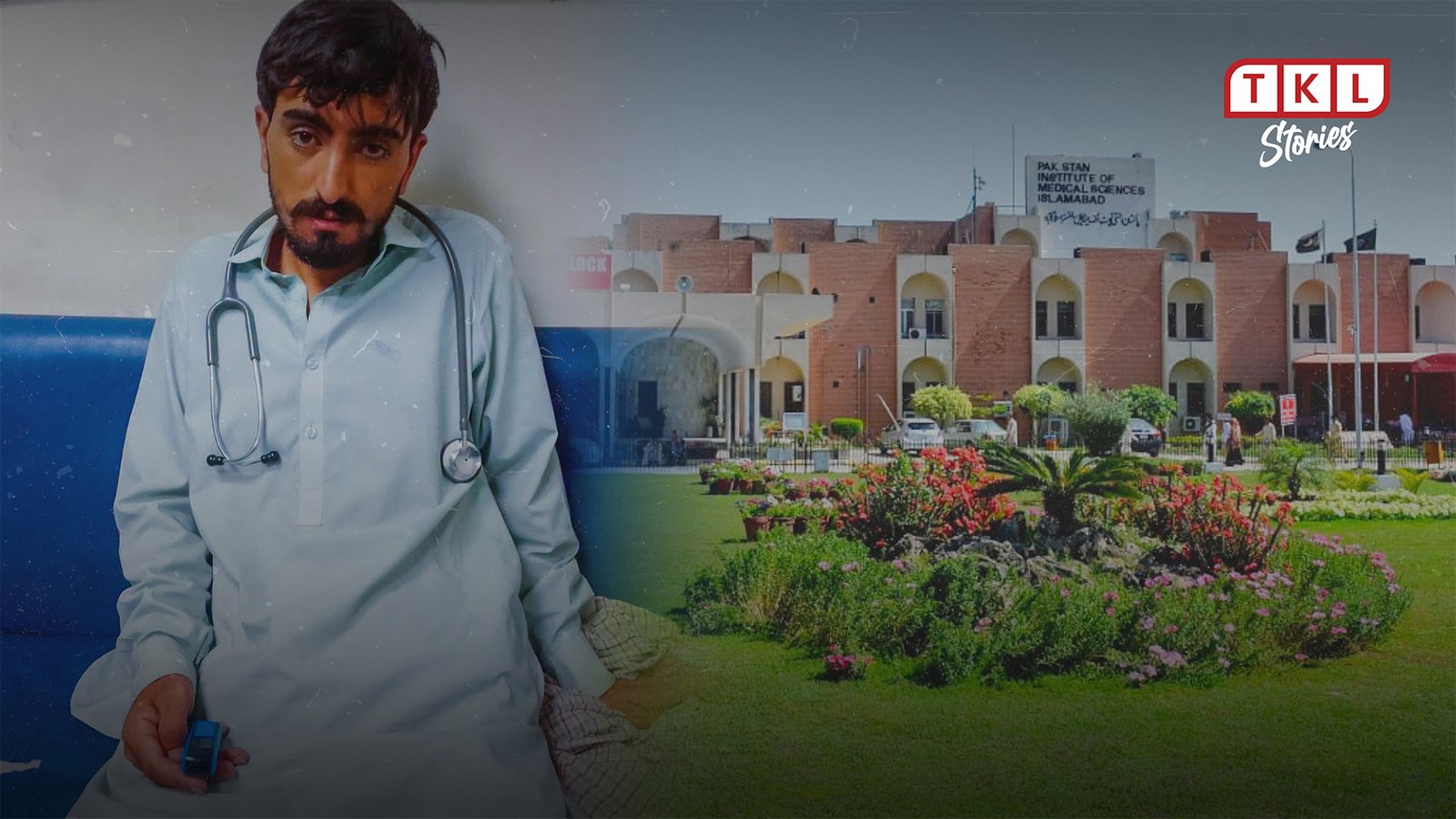
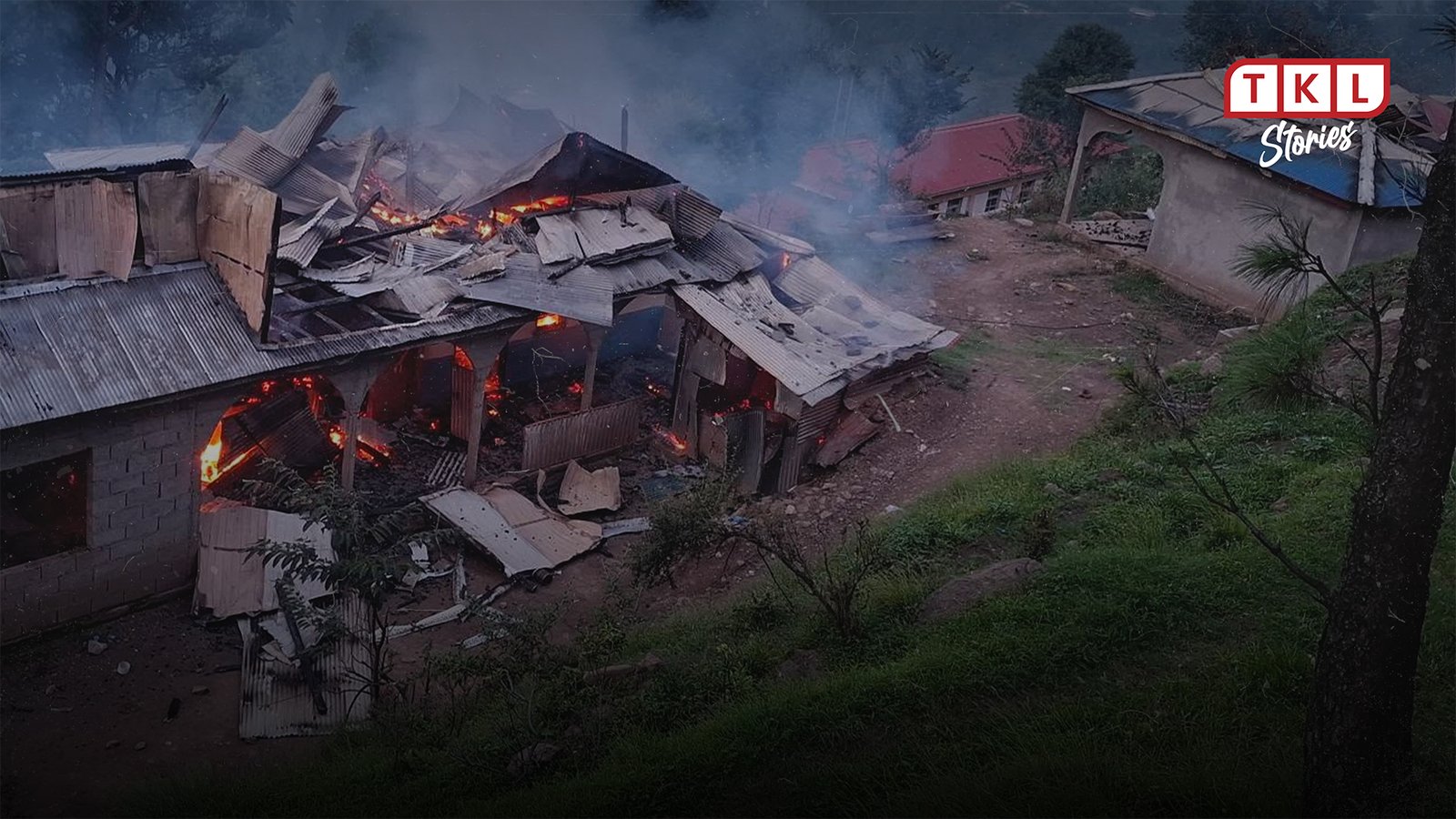
Violent clashes erupted between protesters and security forces, resulting in casualties on both sides. The confrontation quickly attracted international media attention.
Rawalakot – Competing Narratives
The events in Rawalakot have produced sharply different accounts from the government and the protesters.
According to Pakistani authorities, armed individuals were present among the protesters and opened fire on police and security personnel. Officials say one paramilitary officer was killed and several members of the security forces were injured. They maintain that security personnel acted in self-defense and to protect the constitutional electoral process. Authorities have also alleged that some detainees had links to militant organizations and that weapons were recovered during security operations.
The banned Joint Awami Action Committee and numerous eyewitnesses present a different version. They claim security forces used live ammunition against protesters, resulting in multiple deaths and injuries. Protest leaders argue that the movement is a peaceful campaign for political representation, constitutional reform, and civil rights.
Because internet services remain suspended and access for independent journalists has been limited, neither account has been fully verified by independent observers.
How International Media Have Covered the Crisis
The Rawalakot crisis has received significant attention from international news organizations, although their reporting has reflected the limitations imposed by restricted access.
The New York Times, citing the Action Committee and unnamed government sources, reported that dozens of people had been killed in clashes since June 9, including protesters and members of the security forces.
The Guardian reported claims by the banned organization that dozens of protesters had been killed during two days of violence. The newspaper noted that these claims could not be independently verified because of the communications blackout. It also included the Pakistani government’s rejection of the allegations and its assertions regarding foreign interference.
The Associated Press (AP) focused primarily on the government’s account, reporting official allegations that armed militants had joined the banned organization and attacked police. AP also emphasized that civilian casualty figures could not be independently confirmed.
According to BBC News, at least 40 people had died in the violence from June until the elections, including 34 protesters and six police or paramilitary personnel. BBC also highlighted the impact of the internet shutdown on election campaigning and the free flow of information.
Several candidates told Agence France-Presse (AFP) that they were unable to effectively communicate with voters because of the prolonged suspension of mobile internet services.
Rawalakot – Human Rights Concerns
The situation has also drawn attention from international and domestic human rights organizations.
Amnesty International has called for an immediate, independent, and transparent investigation into the use of force in Rawalakot. The organization has urged authorities to restore internet access and allow independent journalists and observers to enter the affected areas, arguing that the communications blackout is preventing credible investigations. Amnesty has also expressed concern over the government’s decision to ban the Joint Awami Action Committee.
The Human Rights Commission of Pakistan (HRCP) has similarly demanded an immediate end to the violence and called for impartial investigations into the deaths and injuries to determine whether excessive or unlawful force was used.
Before the elections, the United Nations Office of the High Commissioner for Human Rights (OHCHR) also urged all stakeholders to reduce tensions and avoid further escalation.
A Crisis Beyond Rawalakot
The dispute in Rawalakot has evolved into more than a confrontation between protesters and the state.
For the government, it represents an effort to maintain constitutional order, enforce the law, and ensure the continuation of democratic elections.
For protesters, it is a struggle over political representation, constitutional reform, and fundamental civil rights.
International observers, meanwhile, have largely focused on the difficulty of establishing verified facts amid internet restrictions and limited independent access to the region.
What Comes Next?
Several critical questions remain unanswered.
Will political dialogue resume between the government and protest leaders?
Will an independent investigation into the violence be conducted?
Will internet services be fully restored?
Can trust between the public and state institutions be rebuilt?
The answers will shape not only the future of Rawalakot but also the broader political landscape of Azad Jammu and Kashmir.
One fact is already evident: the events in Rawalakot are no longer solely a local issue. They have become a matter of national and international interest, closely watched by governments, global media organizations, human rights groups, and observers around the world.


