

Rawalakot Crisis: Why Dialogue Failed?

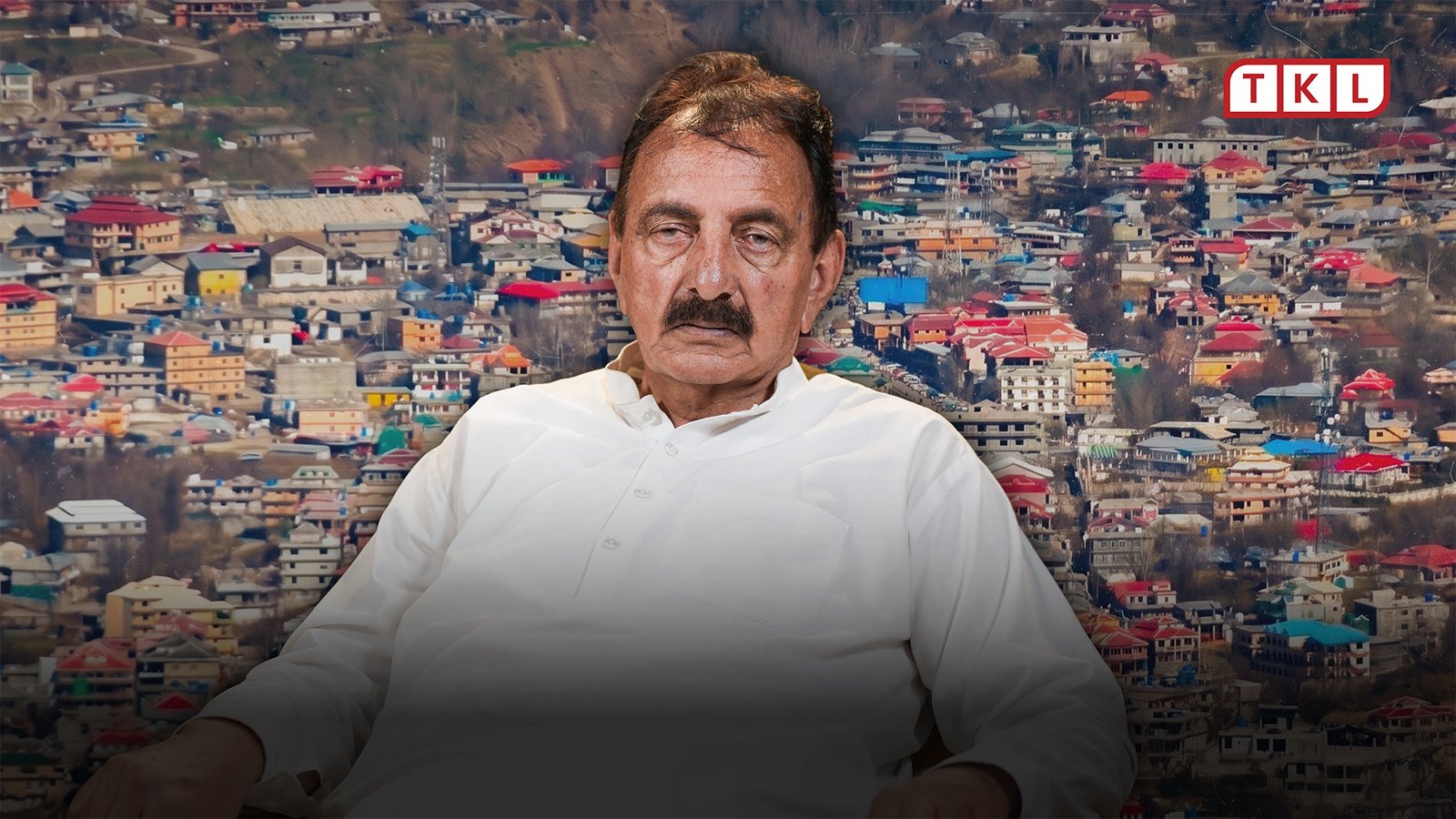
Rawalakot Crisis – A Senior lawyer and politician from Rawalkot Azad Jammu and Kashmir (AJK) Sardar Javed Nisar Advocate has said that the prolonged crisis in Rawalakot could have been handled through political dialogue and negotiations instead of allowing the situation to escalate into confrontation.
During his interview with The Kashmir Link, Javed Nisar discussed the background of the Public Action Committee, the escalation of the Rawalakot crisis, failed negotiations, the deaths during the confrontation and the continuing disruption of everyday life in the city.
According to Javed Nisar, the Public Action Committee originally emerged from a traders’ movement focused on public rights. He said the committee’s campaign eventually contributed to measures including cheaper flour and electricity subsidies, which helped increase its public support.
He said the current crisis was mishandled because the authorities failed to properly understand the situation.
Rawalakot Crisis – The situation was not handled properly
Referring to the events preceding the major confrontation, Javed Nisar said a young man, Shazib, was killed and another young man, Umar Nazir, was shot and injured during an earlier incident.
He said the incident triggered a further escalation of tensions, despite attempts at negotiations and indirect contacts between the sides.
According to Javed Nisar, the subsequent confrontation resulted in a large number of deaths, including members of the security forces.
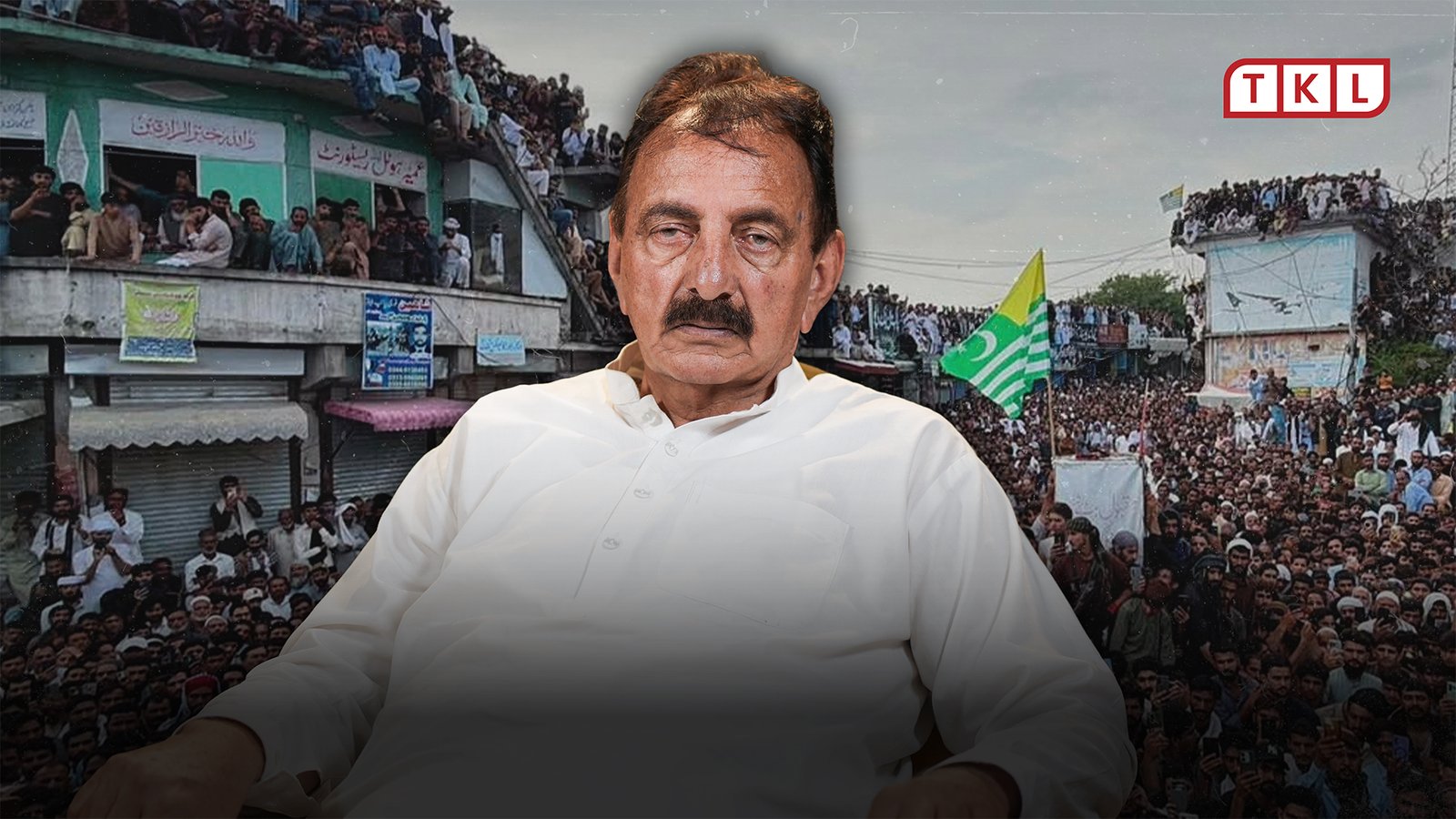
He said the crisis has continued for months, with Rawalakot facing severe disruption to normal life.
“People have to struggle even to obtain food and other necessities,” he said, describing the situation in the city.
Rawalakot Crisis – Calls for negotiations
Javed Nisar said he and other local figures made two attempts to meet the leadership of the Action Committee.
He said the first meeting took place through the district administration and that the Action Committee representatives appeared willing to negotiate.
He said he did not see any indication at the time that the committee was unwilling to resolve the dispute through dialogue.
Javed Nisar also questioned the government’s decision to ban the Action Committee, saying the two sides had been engaged in negotiations only days earlier.
He argued that the demands that had already been agreed upon should have been formally notified and that the ban should have been lifted.
According to him, many of the demands were related to issues such as preventing corruption and promoting development, which he described as matters that should not have been difficult to address politically.
Rawalakot Crisis – Efforts to prevent further bloodshed
Javed Nisar said he and other representatives made another attempt to intervene before the later confrontation.
He said the group included the mayor and chairman of the district council, among others.
According to him, their objective was to prevent further loss of life because the security forces possessed weapons while ordinary protesters did not have comparable means.
He said the attempt failed because the Action Committee leadership decided to proceed with its protest.
Javed Nisar said the resulting confrontation caused further casualties among both civilians and security personnel.
Rawalakot Crisis – The state must listen to its people
Discussing the continuing closure of Rawalakot, Javed Nisar said the situation had gone far beyond an ordinary political dispute.
He argued that the state has responsibilities toward its citizens and should not adopt an approach in which people feel that their grievances are not being heard.
He also criticised the absence of sustained political engagement with the protesters.
Political leadership and the vacuum in Poonch
Javed Nisar said the crisis should not be viewed solely as a responsibility of the political leadership of Poonch.
He argued that elected representatives across Azad Kashmir should have played a role in resolving the dispute by supporting legitimate demands and explaining to protesters which demands could not be accepted.
He said the absence of political leadership created a vacuum that allowed the Action Committee to expand its role.
Disagreement does not necessarily mean disloyalty
A significant part of the interview focused on political dissent and allegations of disloyalty.
Javed Nisar argued that political differences and strong criticism have historically existed in Pakistan and should not automatically be treated as evidence of disloyalty.
He referred to historical examples involving political groups and leaders who were at different times declared unacceptable or outlawed, but later returned to political life.
He used these examples to argue that political bans do not necessarily eliminate political movements.
‘Bans cannot stop political movements’
Javed Nisar questioned the effectiveness of banning political organisations, arguing that historical experience shows that such measures do not necessarily end political movements.
He said that rather than repeatedly relying on bans, authorities should sit with political groups and resolve disputes through dialogue.
He also discussed the deployment of Rangers during the Rawalakot crisis, saying the deaths of security personnel were also a loss because they were Pakistani citizens.
In his view, the use of security forces did not produce the outcome that authorities may have expected and could have wider consequences for Pakistan.
A crisis still awaiting a political solution
The interview presents Javed Nisar’s view that the Rawalakot crisis cannot be resolved through force alone and requires political engagement between the state and the protesters.
His account also highlights the consequences of prolonged confrontation: disruption of education and healthcare, difficulties in obtaining essential supplies, political polarisation and a widening gap between citizens and political leadership.
For Javed Nisar, the central issue remains whether the dispute can be brought back to the negotiating table and addressed through political dialogue rather than continued confrontation.
