


Mental Health: What Are the Consequences of Ignoring It?

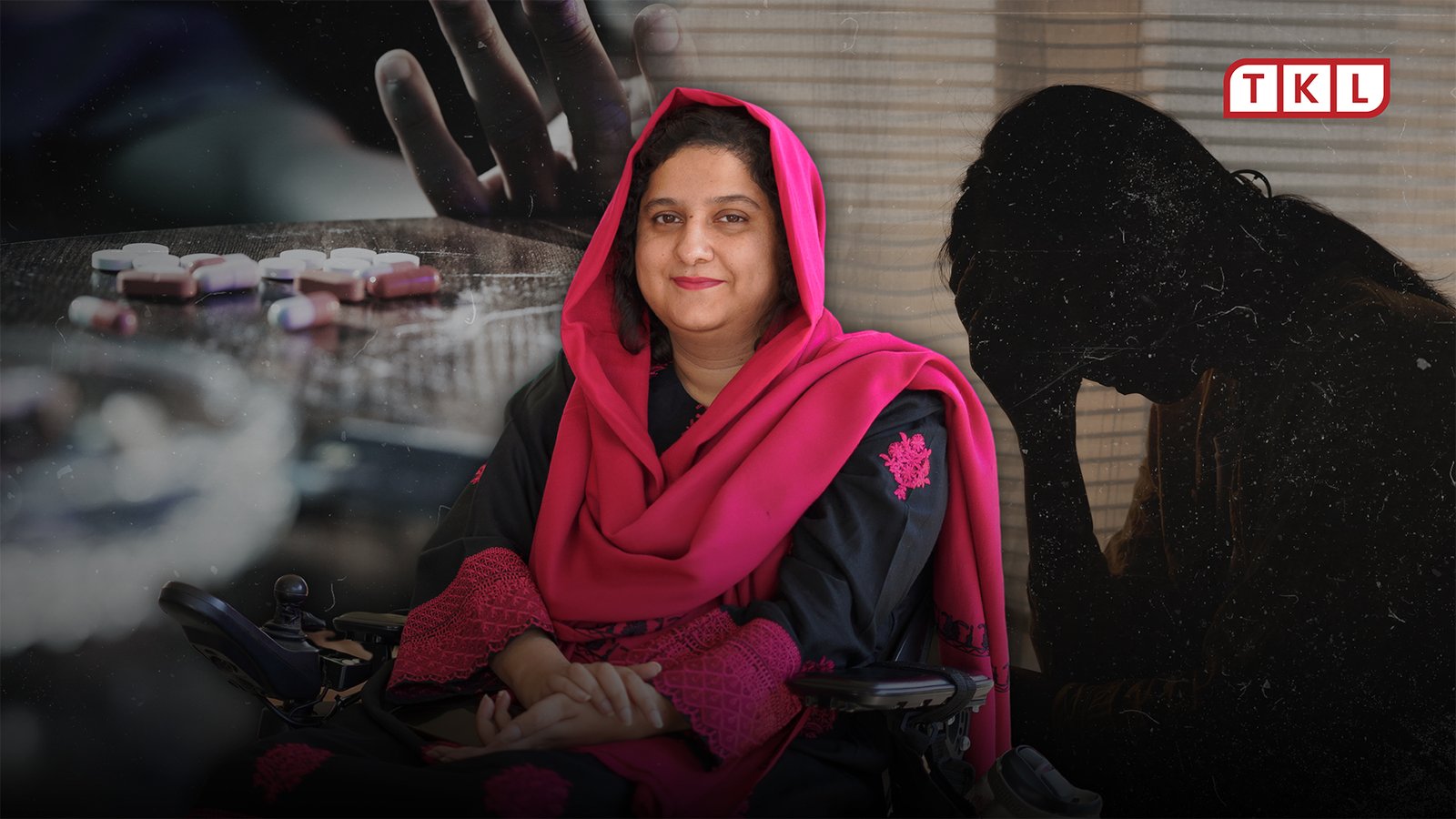
Mental Health challenges and growing drug use among young people require greater public awareness, early intervention and stronger family support, psychiatrist Dr Anam Najam has said, urging people experiencing psychological distress to seek professional help rather than suffer in silence.
In an interview with The Kashmir Link, Dr Najam shared her personal experience with depression, her journey into psychiatry and her concerns about the effects of substance abuse on young people and their families.
Her interest in psychiatry began with a curiosity about emotions and experiences that often remain hidden. She experienced depression following her grandmother’s death and later faced another severe episode after an accident threatened to interrupt her education.
“I couldn’t sleep at night, I had stopped eating, I didn’t feel like talking to anyone,” she recalled, describing the emotional difficulties she faced after the accident.
Seeking treatment helped her regain hope and cope with the physical and emotional challenges she was experiencing.
“I realised that this — this is what gave me the anchor, the support that helped me move forward,” she said.
Her personal experience also influenced her decision to pursue psychiatry. After completing her MBBS, she discovered her interest in the specialty during her house job. She subsequently pursued further studies, including a master’s degree at King’s College London through a Chevening Scholarship.
Mental Health – Help Is Available
Emphasising the importance of mental health treatment, Dr Najam said depression could leave people feeling trapped and unable to see a way forward. However, she stressed that appropriate treatment and support could help them recover.
“You may feel like there’s no way out, but treatment does exist, and you can return to the race of life,” she said.
She also challenged the stigma surrounding mental illness, noting that psychological difficulties deserve attention and treatment just like physical health conditions. She encouraged people experiencing mental health problems to consult qualified healthcare professionals.
“Life is a very precious gift,” she said. “Life is beautiful — take full advantage of it.”
Mental Health – Drug Use Among Young People
Dr Najam expressed concern over what she described as an increase in drug-related cases among patients in the community she serves. She identified substances such as crystal meth, commonly known as ice, alongside heroin and marijuana, as part of the problem.
She said some young people turn to drugs in an attempt to escape stress and emotional distress, making prevention and healthier coping strategies essential.
“We need to work on awareness programmes in schools, colleges, and universities to help the younger generation manage their stress better, so they don’t feel the need to turn to drugs,” she said.
She emphasised that families, educational institutions and communities all have a role to play in helping young people manage stress and access support when needed.
Dr Najam also highlighted the importance of personal relationships, saying that stronger family bonds and meaningful interactions with parents and grandparents could provide young people with emotional support.
“Unfortunately, in this digital age, we have progressed so much that human-to-human contact has decreased,” she said, arguing that the decline in direct social interaction could make it harder for some people to cope with stress.
Mental Health – Impact on Families
According to Dr Najam, drug addiction can affect far more than the individual using substances. Financial difficulties, strained relationships and emotional distress can spread throughout a household, affecting spouses and children.
She warned that children growing up in unstable family environments could experience lasting emotional consequences. She also highlighted domestic violence as a serious concern in some families affected by substance abuse.
“It doesn’t just disrupt their own life; it disrupts the whole family,” she said.
Dr Najam called for greater awareness of mental health and addiction, alongside stronger family relationships, stress-management education and access to professional treatment.
Her message, particularly to people struggling with depression, was that seeking help can be the first step towards recovery and a better quality of life.


