
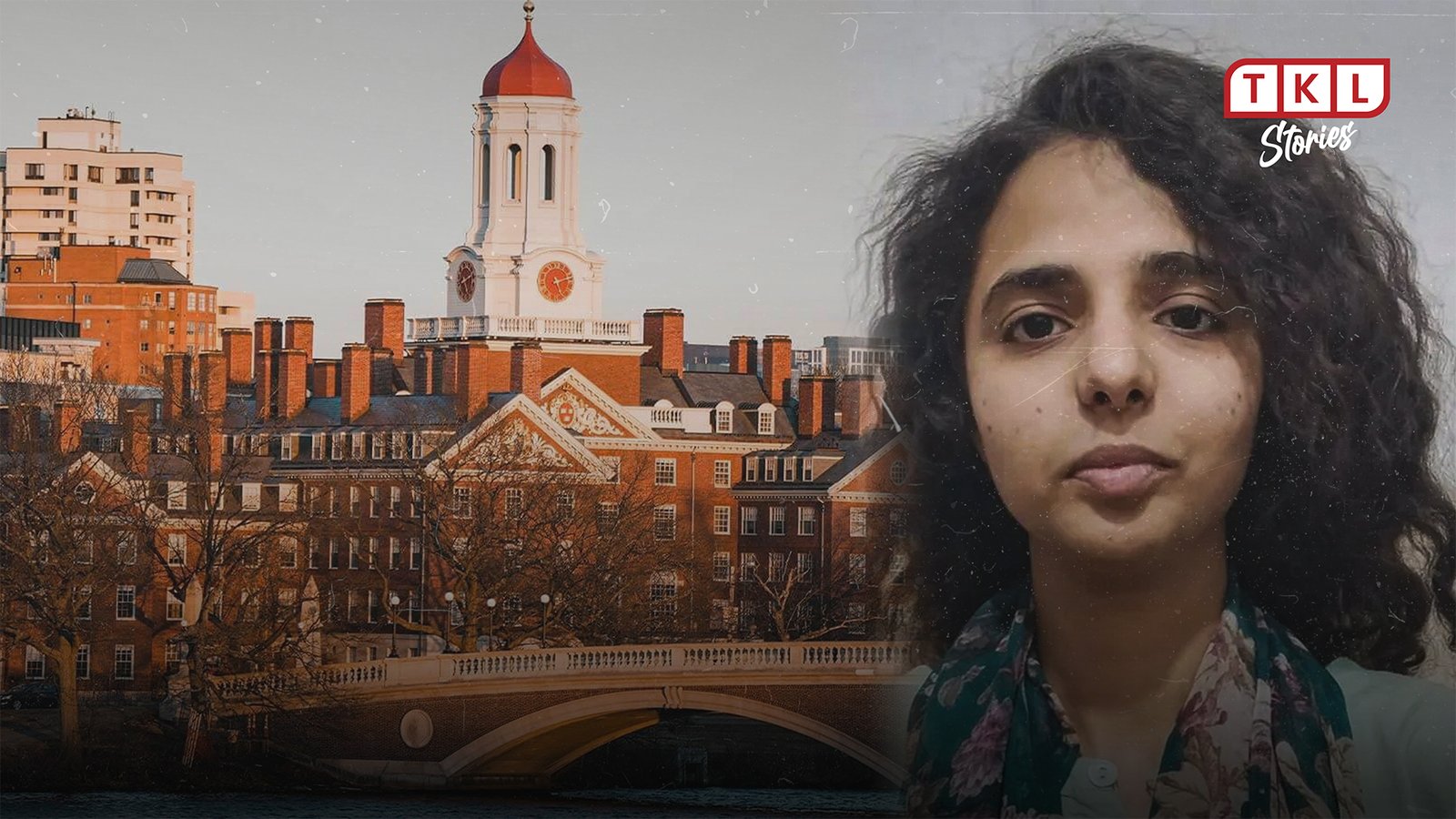
Shaista Mustafa: A Survivor of the 2005 Kashmir Earthquake

Kashmir Earthquake 2005
A Morning That Changed Everything
Kashmir Earthquake 2005: On the morning of October 8, 2005, life in Muzaffarabad, Azad Kashmir, began like any other. But within moments, the region was struck by one of the most devastating earthquakes in South Asian history. Among the thousands caught in that disaster was 20-year-old college student, Shahista Mustafa.
Today, nearly two decades later, Shahista still remembers every detail of that morning — the ordinary moments before the quake, the horror that followed, and the faith that carried her through what seemed impossible to survive.
“It Was Meant to Be That Way”
“When I left home that morning, I had no idea I was walking toward a moment that would change my life forever,” recalls Shahista.
She had initially decided not to go to college that day — a Saturday — but changed her mind at the last minute. Her van had already left, so she called a friend to stop it for her. “I told my family I wasn’t going, but perhaps that was written in my fate,” she says quietly.
Once at college, the day began like any other — assembly, chatter, and laughter among classmates. “The classroom was full, noisy, and alive. Two of my friends sitting in the corner said they didn’t feel like staying and left. I took their place — in the same corner.”
Minutes later, the ground began to shake.
“I Saw the Wall Crack — and Then Everything Went Dark”
Shahista remembers looking up at the wall behind her teacher and seeing it split open. “That was my last clear memory,” she says. “Something hit my head. I heard a terrible sound — like an animal being slaughtered. I thought it was the Day of Judgment.”
When she regained consciousness, she was trapped beneath the debris of her college building. “It was pitch dark. Blood was flowing from my eyes and ears. I couldn’t move or speak.”
Around her, she could hear the cries of her classmates. “Some thought we were under attack. Others were reciting the Kalma. A few girls were praying for death to end their suffering. I didn’t even know what had happened until someone mentioned the word ‘earthquake.’”
Inside that collapsed room, Shahista prayed for one thing — to know if her parents were alive. “I said to Allah, if my family is safe, then save me too. But if they are gone, take me with them.”
Nine Hours Beneath the Debris
Buried under rubble for nine hours, Shahista faded in and out of consciousness. When she awoke again, she saw a faint light. “My uniform was caught under the debris, but I kept trying to pull free. Somehow, Allah gave me the strength.”
As she crawled toward the light, a man spotted her. “He shouted, ‘There’s a girl here, her head is split open!’ I said, ‘Please give me a dupatta so I can cover myself.’”
The space she crawled out of, she says, “felt like a grave.” What she didn’t realize was that the man who lifted her out was her father.
“He had already pulled out twenty girls — all dead. When he picked me up, even he didn’t recognize me. My face was covered in blood, my ribs were fractured. Only when I whispered ‘Abu…’ did he realize it was me. He froze, then broke down crying.”
Rescued by the Pakistan Army
With hospitals destroyed and roads blocked, there was nowhere to take the injured. Shahista spent the night at home before being airlifted the next morning by the Pakistan Army to Rawalpindi for treatment.
“Our army deserves a salute,” she says. “They rescued us when there was no one else. Their courage, humanity, and dedication were beyond words.”
In Rawalpindi, she was treated for multiple fractures and head injuries. “The doctors said it was like a glass shattered into pieces,” she recalls. Her recovery took years — and immense strength.
“I stayed in the hospital for a month, and the care I received was overwhelming. People I didn’t even know treated me like family. Humanity was alive in its purest form.”
A Life Changed Forever
Though her body eventually healed, Shahista says the emotional scars have never faded.
“Even after twenty years, the trauma is still there. Every tremor, every vibration — I feel it immediately. I relive that day again and again.”
Despite this, she refused to be defeated by her suffering. “I decided to channel my pain into helping others,” she says. Over the years, she has worked with various organizations, supporting children, families, and people in need across Azad Kashmir.
“My mother used to say, ‘If you survived, then Allah has given you a purpose.’ I believe that’s true. Allah saved me to serve others.”
Lessons from Tragedy
For Shahista, the earthquake was more than a natural disaster — it was a spiritual awakening.
“I realized how fragile life is. We plan our days, unaware that everything can change in a single second. That realization made me determined to live a meaningful life — to dedicate my time and energy to helping others.”
Her message to the youth of today is simple yet profound:
“Live with purpose. Don’t waste your life on meaningless things. Serve humanity. Be kind. Be grateful. You never know what tomorrow may bring.”
Two Decades On — The Memory Lives
As the twentieth anniversary of the 2005 Kashmir earthquake approaches, the nation remembers the 80,000 lives lost and the millions affected. For survivors like Shahista Mustafa, the memory is not something of the past — it lives with them every day.
“The pain never goes away,” she says softly. “But I thank Allah every day that He gave me another chance to live — and to make my life meaningful.”
From the ruins of destruction rose a survivor who turned her suffering into strength — a living reminder that faith, courage, and compassion can rebuild even the most broken lives.


