
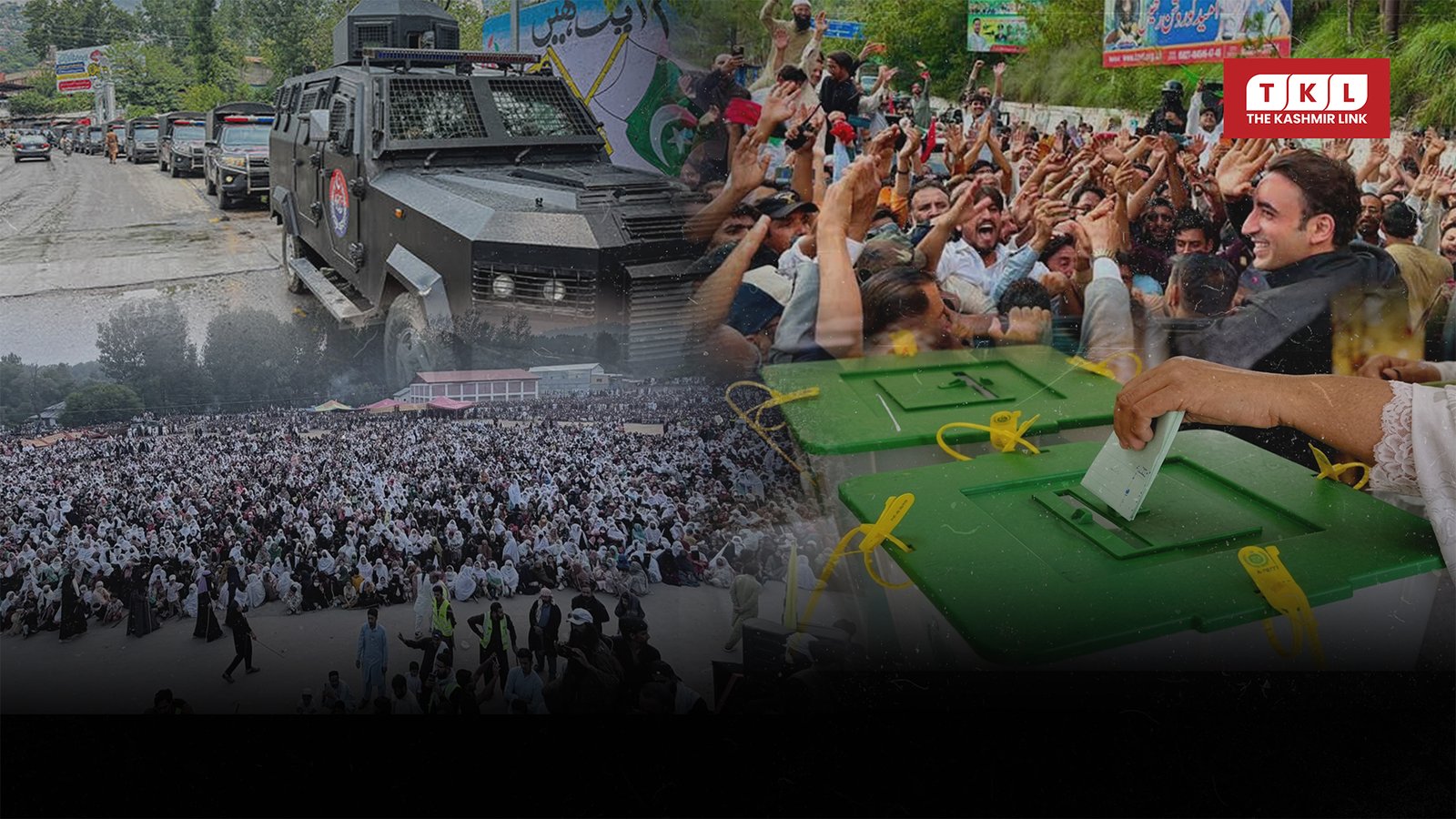
Refugee Seats, Jurisdiction, and Representation: A Constitutional Debate in Azad Kashmir

Constitutional Debate – The political structure of Azad Jammu and Kashmir (AJK) has long been shaped by a complex interplay of constitutional provisions, historical developments, and ongoing political debates. Among the most contentious issues in this framework is the existence and legitimacy of refugee seats in the AJK Legislative Assembly.
This debate is not merely political—it is deeply rooted in constitutional interpretation, questions of territorial jurisdiction, and differing perspectives on representation.
Constitutional Framework of AJK
The Interim Constitution of Azad Jammu and Kashmir defines the territorial jurisdiction of the government as extending from Bhimber to Taobat. Within this defined boundary, the AJK government exercises administrative and legislative authority.
A key argument in the ongoing debate is whether representation should extend beyond this territorial jurisdiction. Critics of refugee seats argue that legislative representation must correspond with territorial governance—meaning that those who legislate should be within the jurisdiction over which laws are applied.
The Refugee Seats Debate
Refugee seats were introduced through constitutional amendments, intended to provide representation to displaced populations originally from Jammu and Kashmir. However, their continued inclusion in the legislative assembly has sparked controversy.
Opponents argue:
- These seats extend representation beyond the constitutional territory
- Individuals outside the jurisdiction influence laws affecting residents within AJK
- This creates a mismatch between taxation, governance, and representation
Supporters argue:
- Refugee populations are an integral part of the broader Kashmir issue
- Their representation reflects historical realities and displacement
- The seats ensure political inclusion of communities affected by conflict
Historical Context and Agreements
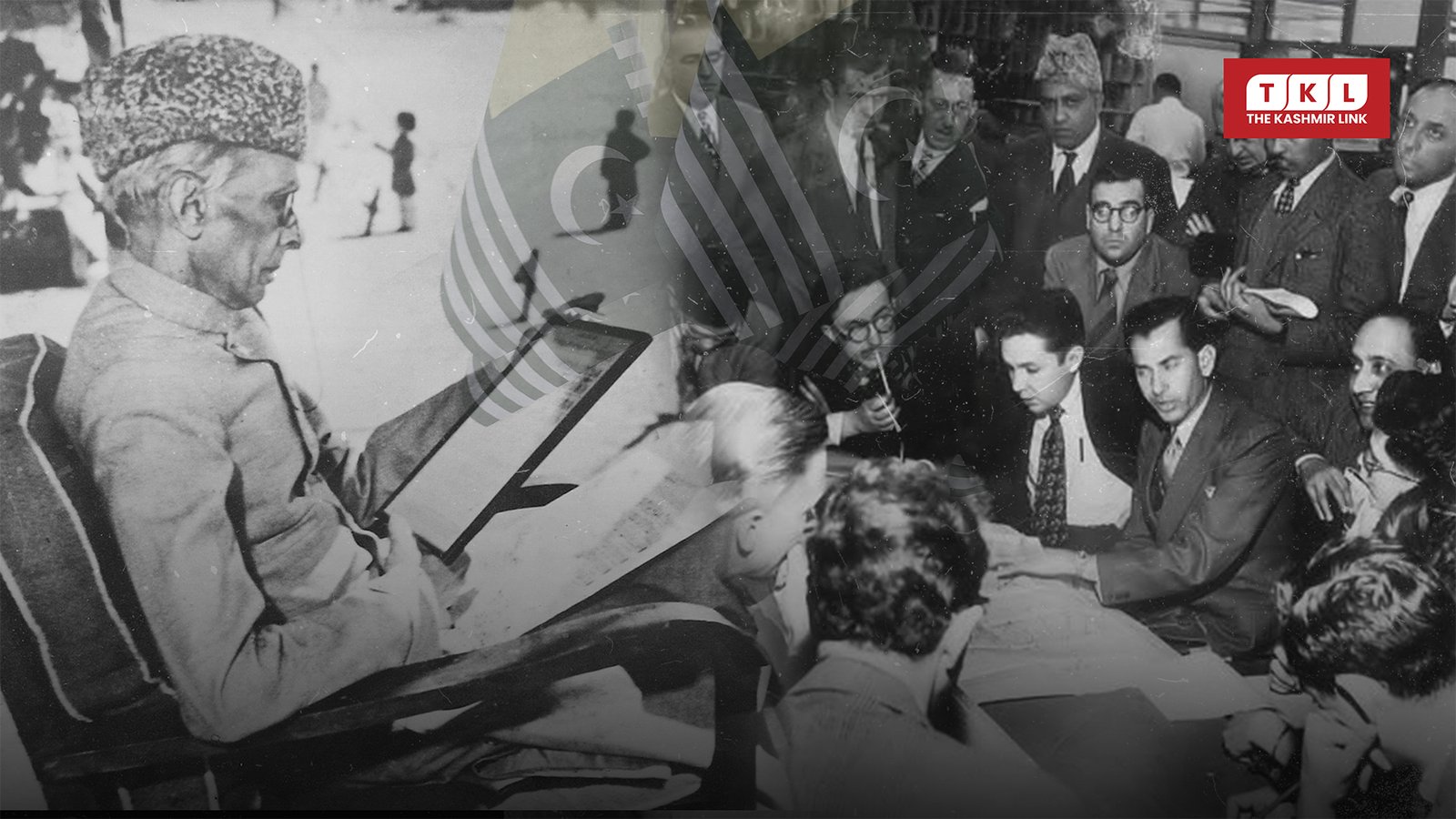
The debate is further complicated by historical agreements and political arrangements made since the late 1940s. Various understandings between stakeholders have shaped governance structures, but questions remain about consistency and enforcement.
Critics point out that repeated agreements have often faced challenges in implementation, leading to mistrust among negotiating parties. Mechanisms such as high-level committees have been proposed to ensure compliance, but delays and deviations have undermined their effectiveness.
Jurisdiction vs Representation
A central issue in this debate is the principle of jurisdiction. If a legislative body governs a defined territory, should its members be restricted to that territory?
This raises broader constitutional questions:
- Can representation exist without territorial accountability?
- Should external constituencies have legislative authority within AJK?
- How should democratic principles be balanced with historical claims and realities?
Role of Political Movements
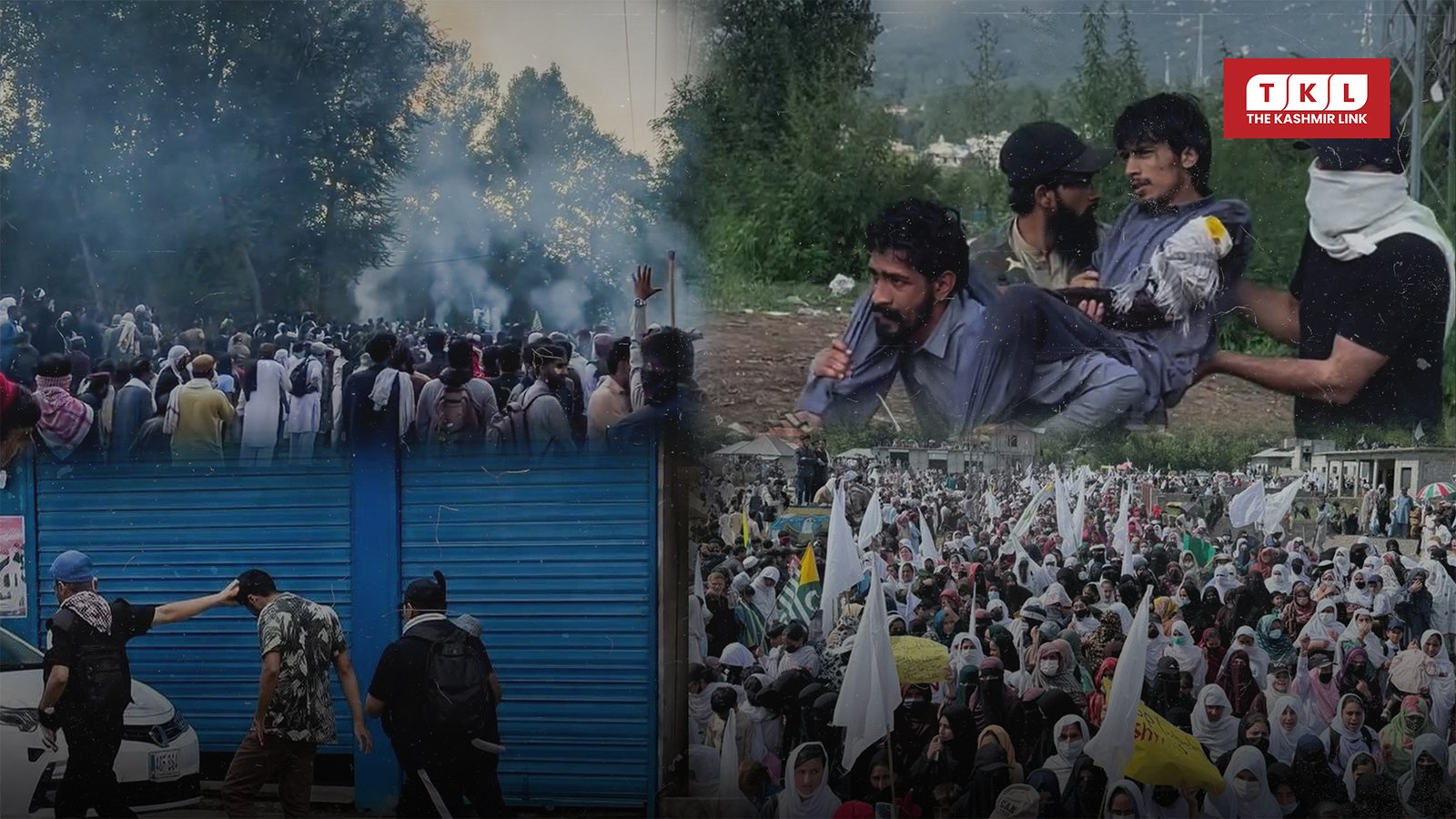
Movements such as the Joint Awami Action Committee have played a significant role in bringing attention to these issues. Their stance emphasizes constitutional clarity, implementation of agreements, and reforms aligned with territorial governance.
At the same time, political parties and institutions often emphasize stability, continuity, and historical precedent, leading to differing interpretations of the same constitutional framework.
Democracy, Protests, and Public Will
The discussion also touches on the role of public protest and street movements in democratic systems. In many global examples, public pressure has played a role in shaping political decisions and constitutional changes.
The underlying argument is that democracy is not limited to electoral processes alone but also includes public engagement, negotiation, and collective expression of will.
Conclusion
The issue of refugee seats in Azad Kashmir is not simply a legal or administrative matter—it reflects deeper questions about identity, representation, governance, and constitutional interpretation.
As discussions continue, the path forward likely lies in negotiation, legal clarity, and consensus-building among stakeholders. Any sustainable solution will need to balance historical context, constitutional boundaries, and the democratic aspirations of the people.


