
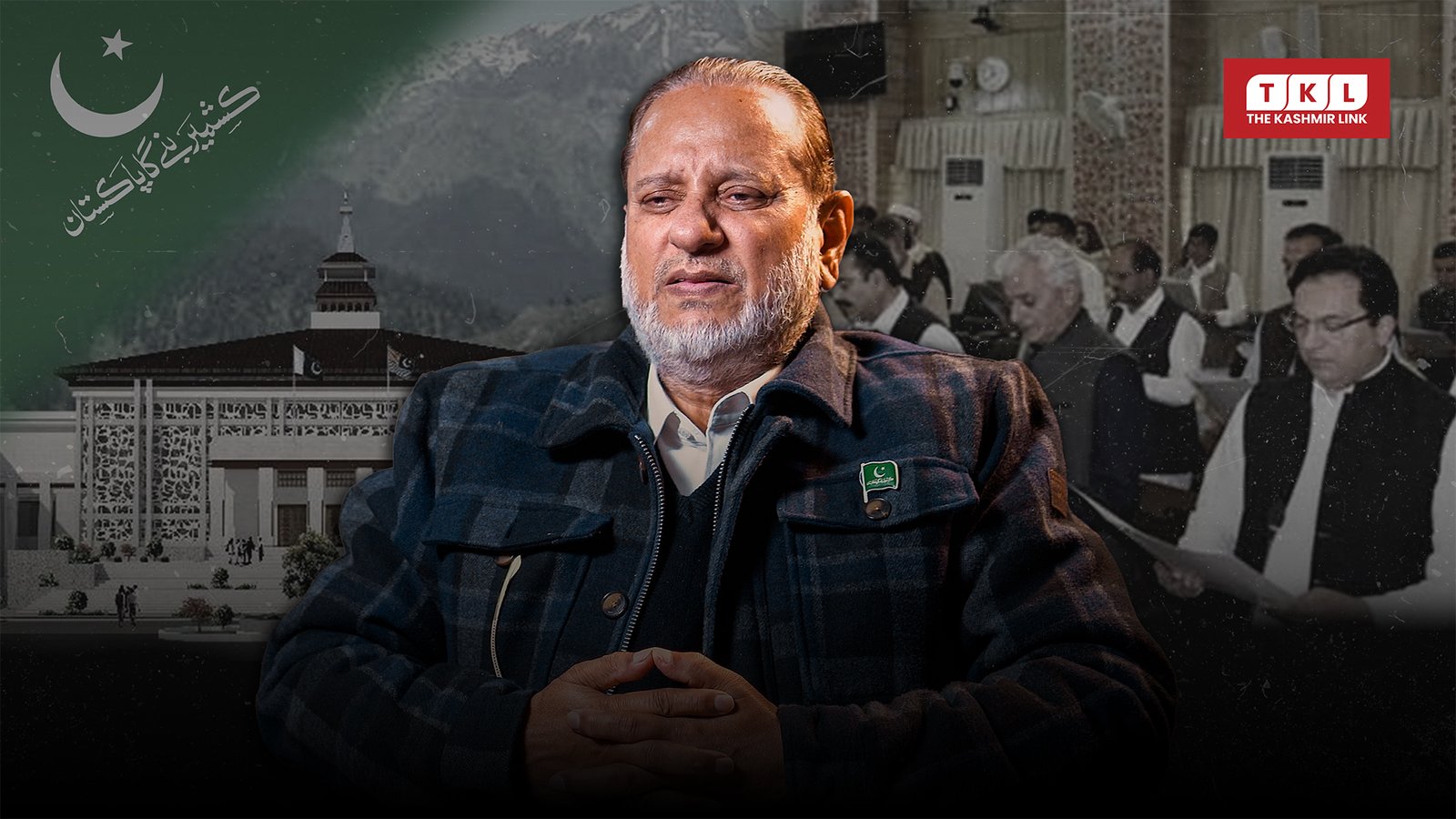
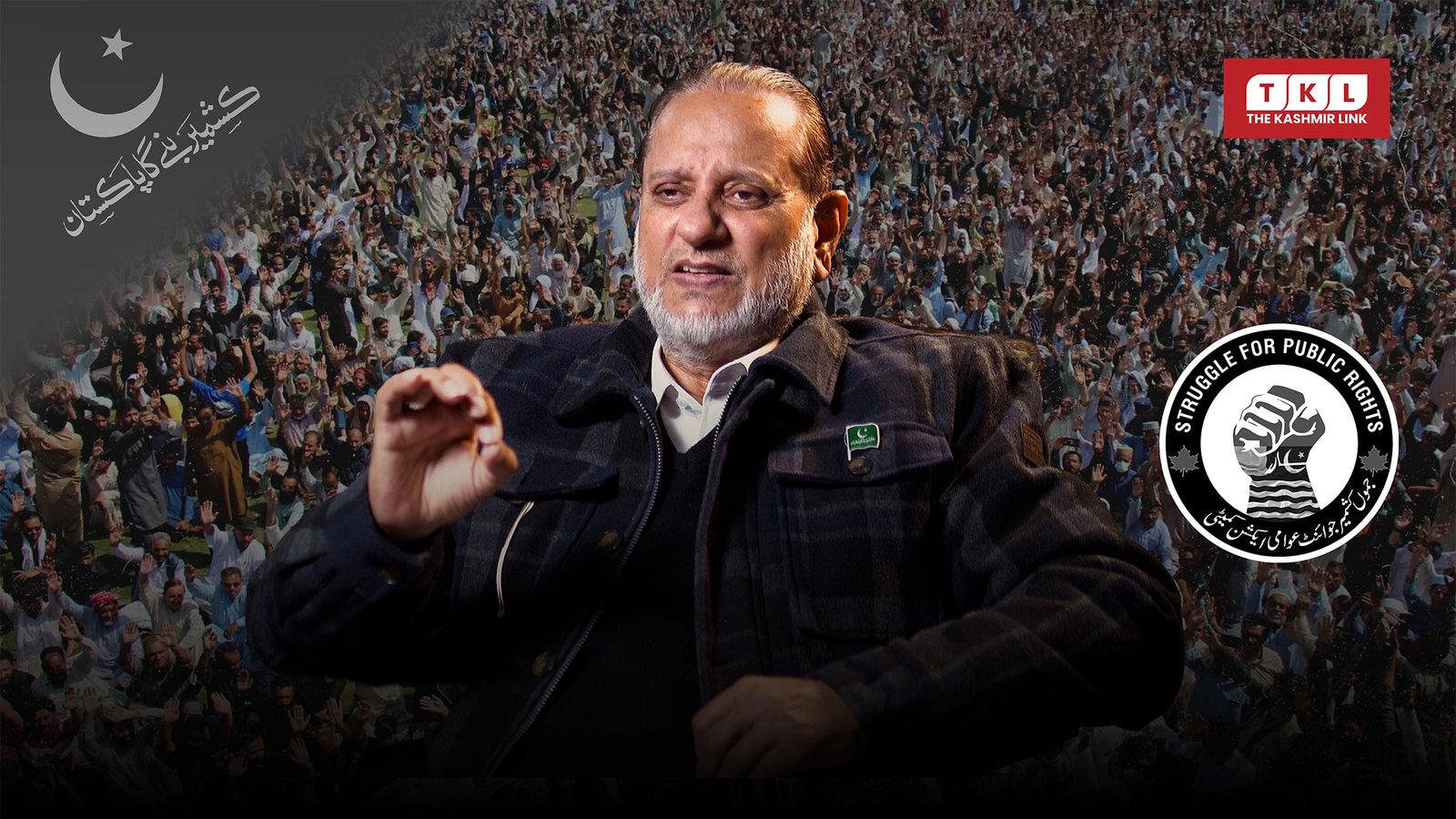
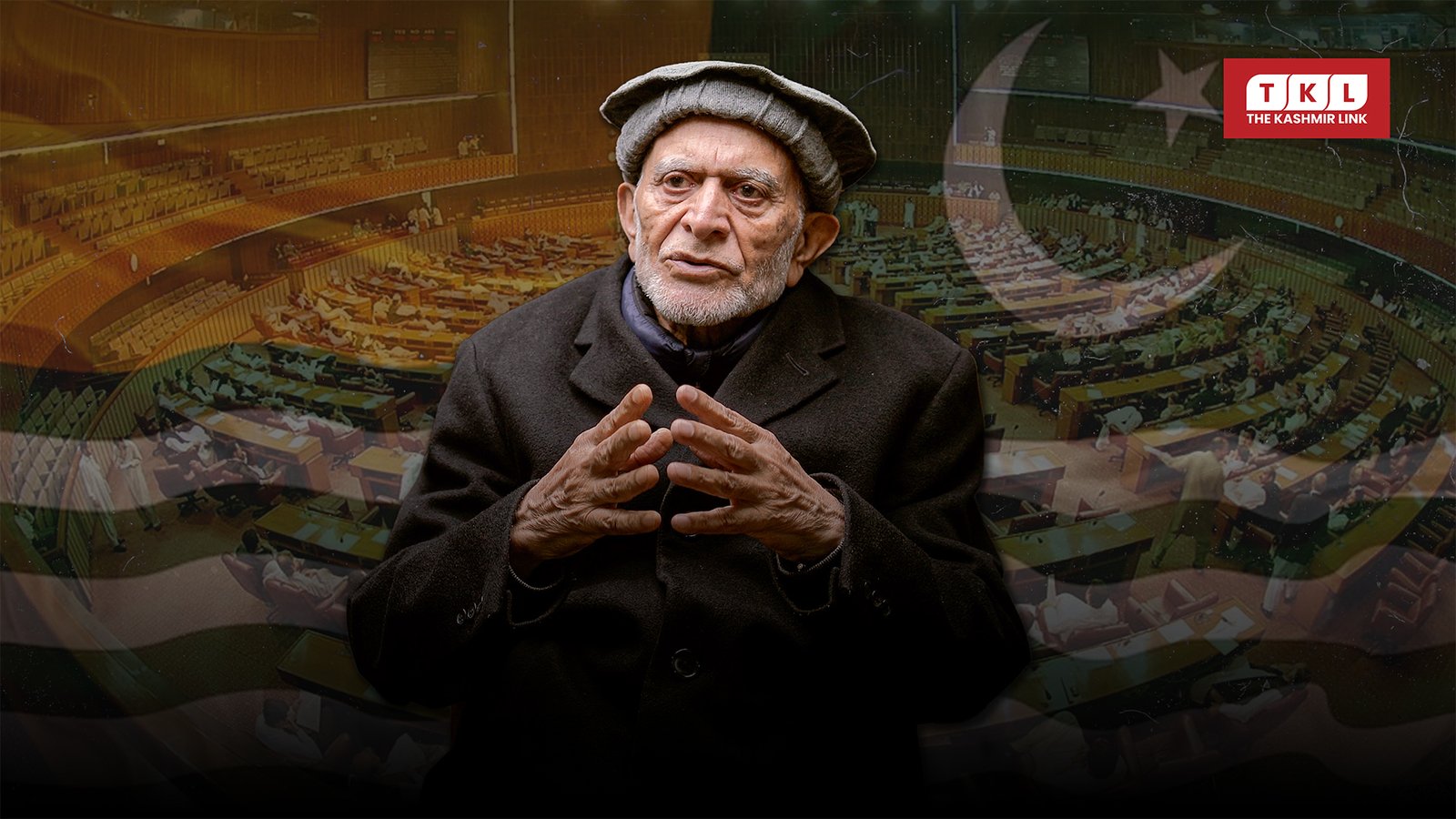
Refugee Seats Integral to Kashmir Cause: Sardar Attique Ahmed Khan

Refugee Seats Integral to Kashmir Cause:
Former Prime Minister of Azad Jammu and Kashmir, Sardar Attique Ahmed Khan, has strongly defended the constitutional and political legitimacy of seats reserved for Jammu and Kashmir refugees in the AJK Legislative Assembly, terming them an “integral pillar of Pakistan’s Kashmir policy.”
In an extensive interview, the senior leader of the Muslim Conference stated that the refugees who migrated from Jammu in 1947 rendered immense sacrifices and cannot be separated from the constitutional and political framework of Azad Kashmir.
Historic Sacrifices and Migration
He recalled the tragic events of 1947, stating that hundreds of thousands of people were martyred and nearly half a million migrated during the Jammu massacres. He said the refugees settled in Pakistan remain part of the original State of Jammu and Kashmir and therefore have a legitimate right to representation.
Refugee Vote and Pakistan’s Kashmir Policy
Sardar Attique emphasized that from the very beginning, Pakistan’s civil and military leadership recognized refugees as stakeholders in the Kashmir dispute. He credited former President Yahya Khan for granting dual voting rights, ensuring refugees could participate in AJK elections.
He warned that any attempt to dilute or convert refugee seats into “special seats” would weaken Pakistan’s long-standing diplomatic position on Kashmir.
Gilgit-Baltistan Debate
Discussing the status of Gilgit-Baltistan, he reiterated his opposition to granting it provincial status, arguing that such a move could undermine Pakistan’s case at the United Nations by altering the disputed status of the entire region.
According to him, the State of Jammu and Kashmir comprises five units, including Gilgit-Baltistan, Azad Kashmir, Jammu, the Valley, and refugees settled in Pakistan.
Demographic Concerns After Article 370
Referring to post-August 5, 2019 developments following the abrogation of Article 370 by India, he alleged that demographic changes were being engineered in Indian-administered Kashmir. In this context, he argued that weakening refugee representation on Pakistan’s side would amount to self-inflicted political damage.
Call for Electoral Reforms
While acknowledging past controversies in refugee seat elections, he proposed transparent electoral reforms, including improved voter databases, State Subject verification, and independent election management without outside interference.
He stressed that fair elections—not elimination of seats—are the solution.
Standstill Agreement & Historical Position
Highlighting historical developments, Sardar Attique referred to the Standstill Agreement of August 12, 1947, asserting that Pakistan’s legal and historical claim over the region must not be compromised through administrative changes.
Concluding the interview, he stated that the unity of Kashmiris across all regions is essential for any future plebiscite. “Refugees are part of our constitution, our freedom movement, and our national policy. They cannot be separated under any circumstances,” he said.
He urged policymakers to consider historical, diplomatic and strategic dimensions before making constitutional changes that could affect the Kashmir cause.


