

Pakistan’s Energy Crisis: Why Solar Alone Is Not the Solution

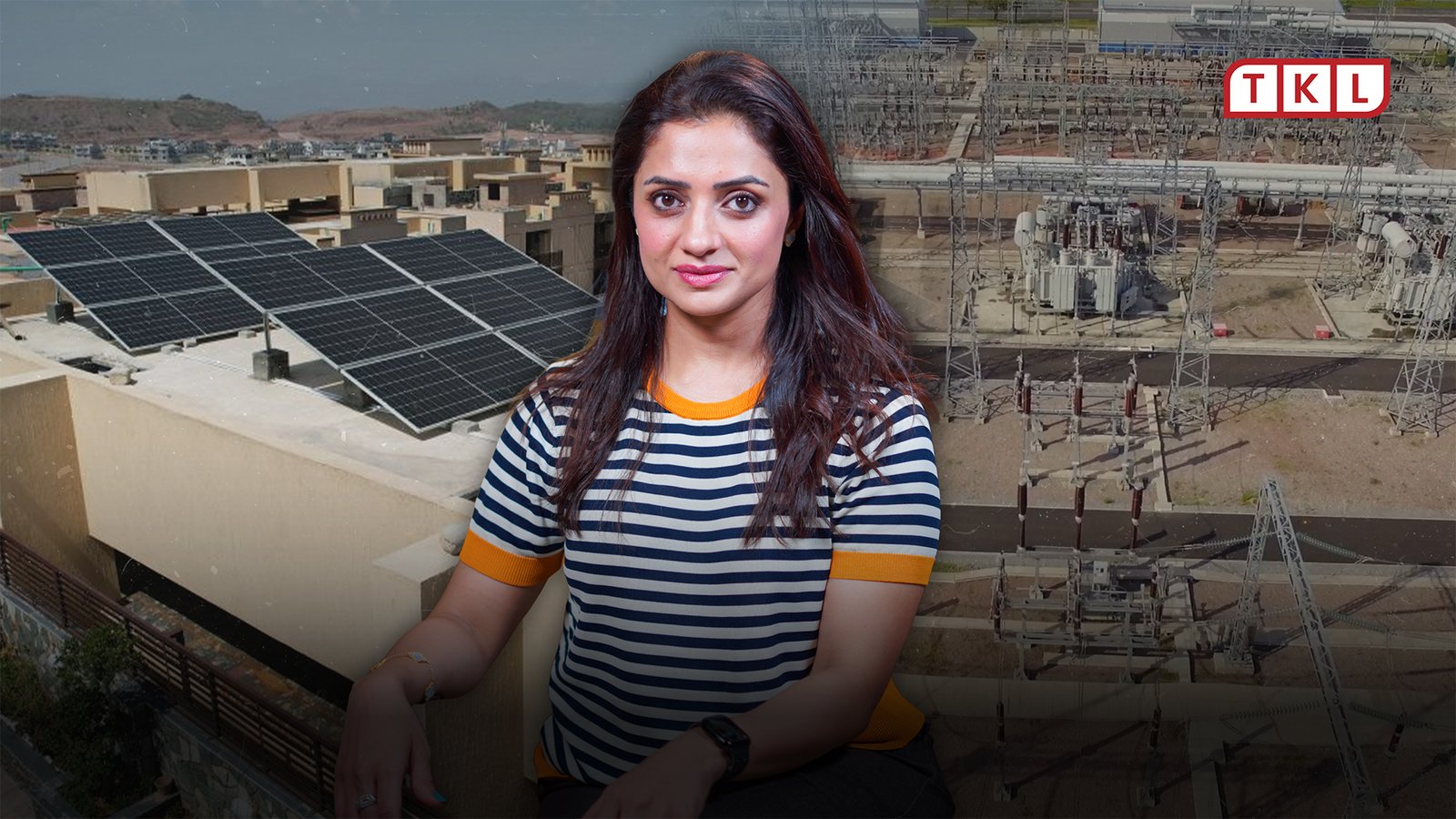
Pakistan’s Energy Crisis – Pakistan’s energy debate has increasingly focused on solar power, net metering and the transition towards renewable energy. But according to energy and climate expert Fizza Farhan, the country’s energy challenge is much broader.
The real issue, she argues, is not simply how many megawatts Pakistan can generate. It is whether the country has the infrastructure, policies and long-term planning needed to transmit and distribute that electricity efficiently.
Pakistan’s Energy Crisis – From renewable energy pioneer to climate policy
Fizza Farhan’s journey in the renewable energy sector began at a time when clean energy and climate change were not yet mainstream subjects in Pakistan.
As CEO of Buksh Foundation and Buksh Energy, she says the organisation worked on some of Pakistan’s early renewable-energy initiatives, including solar-powered projects and the country’s first solar independent power producer. She recalls that when the company approached NEPRA for a 10-megawatt solar IPP, Pakistan did not yet have a solar tariff. The company subsequently worked with NEPRA and the Asian Development Bank on research into solar tariffs.
The experience, she says, was fundamentally about finding solutions to Pakistan’s emerging energy crisis.
The work later expanded beyond commercial renewable energy. Through Buksh Foundation’s “Lighting a Million Lives” initiative, the focus moved towards villages that had never been connected to the electricity grid. For Farhan, this also demonstrated the connection between clean energy, women and economic opportunity at the grassroots level.
Today, her work has expanded into climate policy, including engagement with global climate institutions.
The solar revolution—and its unintended consequences
Pakistan’s rapid adoption of rooftop solar has changed the country’s energy landscape.
Farhan points to net metering as an example of a policy that delivered substantial benefits to consumers but was not accompanied by sufficient long-term ecosystem planning.
As more residential and commercial consumers installed solar systems, particularly those who could afford the investment, some of the electricity grid’s highest-paying customers began reducing their dependence on it.
At the same time, large industries increasingly turned towards captive power plants.
According to Farhan, this created a structural problem: customers who contributed significant revenue to the grid were moving away from it, while consumers who could not afford solar remained dependent on the increasingly expensive grid.
The result, in her analysis, was a vicious cycle of declining grid revenues, rising tariffs and growing pressure on the electricity system.
Her argument is not that solar energy itself is the problem. Rather, she says, the wider energy ecosystem must be considered when a policy is introduced.
Pakistan’s Energy Crisis – Pakistan’s problem is distribution
One of Farhan’s central arguments is that Pakistan’s energy crisis cannot be solved simply by generating more electricity.
She says the country needs to focus first on its distribution infrastructure.
In the interview, she estimates that 40 to 50 percent of generated energy can be lost through distribution losses before reaching homes. She argues that energy security should therefore be measured not just by generation capacity, but by how much electricity is generated, transmitted and ultimately distributed.
This, she says, requires a fundamental rethink of energy planning.
Instead of introducing policies and then reversing them when unintended consequences emerge, Pakistan needs policies designed around their long-term effects.
Pakistan’s Energy Crisis – Waste-to-energy and distributed power
Farhan also points to areas where she believes Pakistan has significant untapped potential.
One is waste-to-energy.
Pakistan’s growing municipal waste could potentially become an energy resource, she argues. She cites the possibility of developing waste-to-energy plants around major dump sites rather than treating waste purely as an environmental problem.
Another possibility is distributed energy.
Farhan describes a feasibility study conducted in Islamabad involving a proposed 100-megawatt plant outside the city. Instead of relying on rooftop solar—something not possible for every large commercial building—the model could supply electricity through transmission infrastructure to major commercial consumers.
For her, these examples demonstrate why Pakistan needs to look beyond one technology or one policy.
Pakistan’s Energy Crisis – Climate change is no longer a distant threat
The conversation also moves from energy policy to the wider climate crisis.
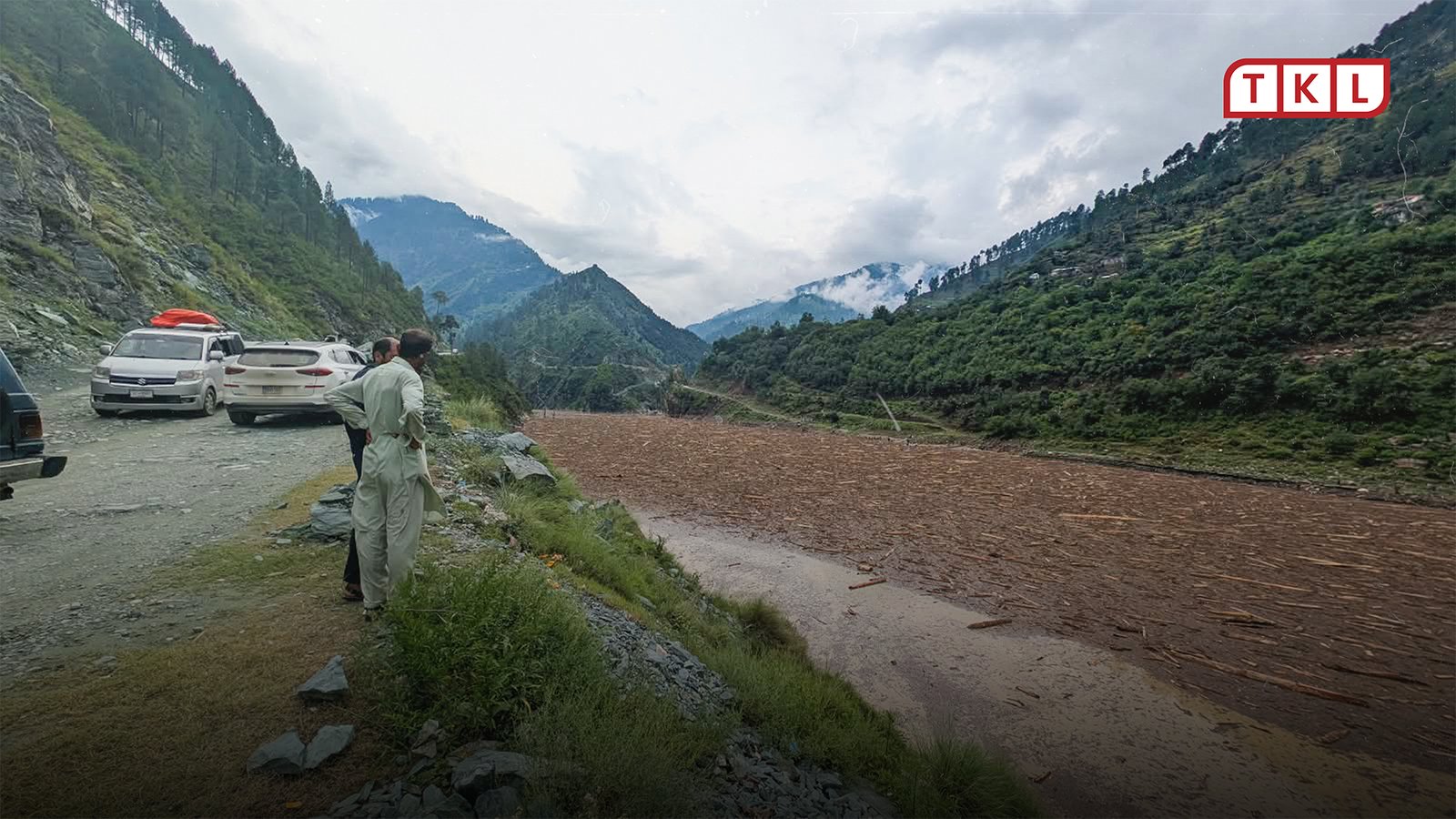
Farhan says climate change is now an observable reality rather than a distant warning. Extreme heat, unusual weather patterns and flooding are increasingly affecting communities around the world.
But the impacts are not equally distributed.
The most vulnerable communities are often the least capable of preparing themselves for climate-related disasters, meaning that extreme weather can deepen existing social and economic inequalities.
For Pakistan, this creates an urgent policy challenge.
The country needs both mitigation—reducing the causes of climate change—and adaptation and preparedness for impacts that are already occurring.
From disaster response to disaster preparedness
Farhan argues that Pakistan often approaches climate disasters through a cycle of emergency response.
Floods occur, humanitarian needs emerge, and resources are mobilised after the disaster.
But many of these disasters are not completely unpredictable.
If authorities know which areas are vulnerable, when floods are likely to occur and which communities have limited capacity to respond, preparation can begin before the disaster.
“Preparedness,” therefore, needs to become a central part of climate policy.
That means identifying vulnerable areas, strengthening infrastructure, preparing communities and ensuring that people have the resources and information needed to respond before an extreme event occurs.
A long-term vision
For Farhan, the solution ultimately comes down to long-term and integrated planning.
Pakistan needs to reduce carbon emissions, improve public transport and mobility, consider electric vehicles, strengthen its electricity distribution system and explore alternative energy models. At the same time, climate-vulnerable communities need to be prepared for the impacts that can no longer be avoided.
The challenge, however, is institutional.
A policy cannot be viewed in isolation from the system around it. Solar, net metering, transmission, distribution, tariffs, industrial power consumption and climate policy are all interconnected.
For Pakistan, the bigger question may therefore not be how much energy can be produced, but how the country designs an energy system that remains financially, environmentally and socially sustainable over the long term.
That, Farhan argues, requires something Pakistan has often struggled to maintain: a clear, integrated and long-term policy vision.


