


Marka-e-Haq: How Pakistan Responded in May 2025

“This is a decisive punch of Bunyan-ul-Marsus. Nara-e-Takbir. Allahu Akbar.”
Marka-e-Haq – On the night between May 6 and 7, 2025, the silence of the mountains of Azad Kashmir was shattered by explosions. The valleys that had long carried the sounds of rivers and winds suddenly echoed with the sounds of war. It was a night that changed the course of history for Pakistan, Azad Kashmir, and the entire region.
Within moments, reports began to emerge that the Indian Air Force had targeted six different locations across Pakistan and Pakistan-administered Kashmir and Jammu. Muzaffarabad was among the first to witness destruction. Bilal Mosque was struck, innocent civilians lost their lives, and an elderly resident, Yaqoob Mughal, was martyred in his own city.
Residential buildings in Bahawalpur and a hospital building in Muridke were also targeted. According to official reports, at least 33 civilians were martyred in the attacks.
For many observers, the escalation did not come entirely without warning.
After the Pahalgam incident on April 22 was linked to Pakistan without any publicly presented evidence, a narrative had already begun taking shape. Questions were raised when social media accounts allegedly associated with Indian intelligence circles began blaming Pakistan only minutes after the incident occurred. Long before any investigation could conclude, an atmosphere of confrontation had already been created.
But what happened after the attacks of May 7 surprised not only India, but the entire world.
That same night, Pakistan responded.
Pakistani Shaheen fighter jets rose into the skies, and within hours reports began circulating of Indian aircraft being shot down, including advanced Rafale fighter jets. International media outlets started reporting an intense aerial confrontation between the two nuclear-armed neighbors.
What unfolded was not viewed inside Pakistan merely as a retaliatory strike. For millions, it became a declaration that Pakistan would no longer remain silent in the face of aggression.
Yet beyond the military response, another extraordinary scene emerged.
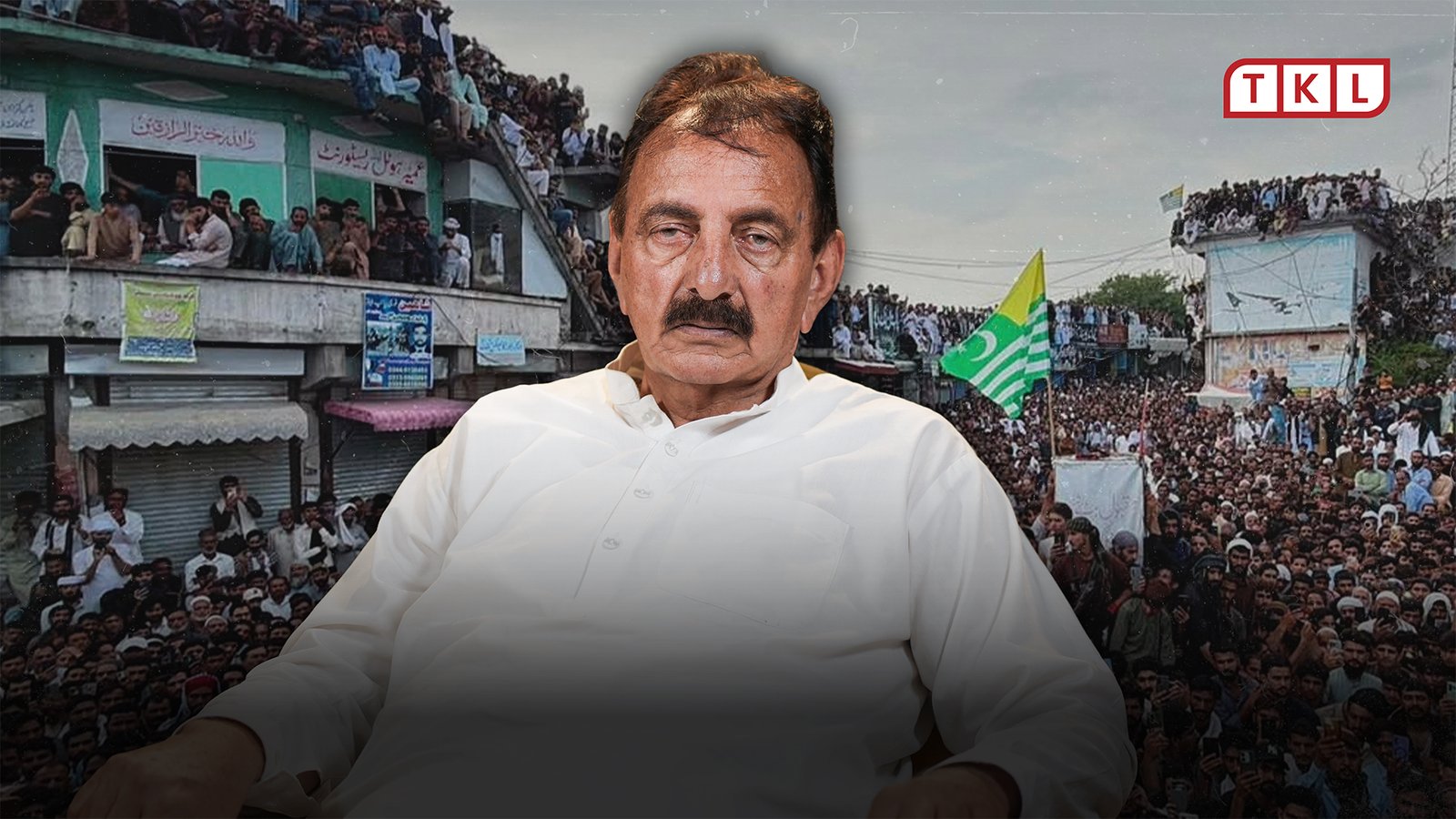
Across Muzaffarabad, Neelum Valley, Kotli, Bagh, and Haveli, people flooded the streets. Areas that had spent decades living under the shadow of shelling and cross-border fire were now witnessing celebrations, chants of victory, patriotic songs, and public gatherings in support of the armed forces.
There was fear once in these regions. There was uncertainty. But on those nights, there was also defiance.
These are communities that have spent generations living near the Line of Control, where war is not an occasional headline but an everyday reality. In these villages, children often learn the sound of explosions before they learn lullabies. Mothers do not simply build homes; they build resilience.
Many homes along the border have been destroyed multiple times over the years, only to be rebuilt again in the very same places. Despite decades of shelling, displacement, and uncertainty, the people of these areas have remained rooted to their land.
Their message has always been the same:
“We may die, but we will never leave our land.”
From May 7 to May 10, shelling continued across the borders. But this time, public sentiment across Pakistan had shifted. The nation demanded a decisive response.
Among those who paid the ultimate price was Kausar Bibi, martyred inside her home in Shahkot and unable to be buried in her own village because of ongoing shelling. In Nikyal, Kotli, young siblings Misbah Kausar and Umar Musa — children carrying books and dreams — became victims of the attacks.
In Bagh, Osama Ishrat lost a future that had only just begun. In Haveli, Ameen Butt, the support system of his family, also became a victim of the violence.
These stories reminded the nation that this conflict was not fought only on military fronts. It was fought inside homes, classrooms, and families. It was fought against dreams and ordinary lives.
Then came May 10.
Under Operation Bunyan-un-Marsoos, Pakistan launched what was described as a decisive response against enemy positions. Across the country, many viewed the operation as a moment that demonstrated national unity and military preparedness.
As tensions escalated, international concern also intensified. Global powers watched closely as the conflict threatened to spiral into a much larger regional crisis. Diplomatic pressure increased rapidly, with fears growing over the possibility of further escalation between two nuclear states.
For Pakistanis, however, the events of those days carried meaning far beyond military developments.
This was not seen merely as a military victory.
It was the victory of mothers who sacrificed sons yet refused to surrender courage.
It was the victory of children who continued singing patriotic songs even while explosions echoed around them.
It was the victory of border communities that endured decades of shelling but never abandoned their homeland.
Today, as one year of the Battle for Truth is remembered, the nation reflects not only on victory, but also on responsibility.
The names of Misbah, Umar, Osama, Kausar Bibi, Yaqoob Mughal, and countless others are no longer simply memories. They have become symbols of sacrifice and resilience.
Their stories remind the world that Kashmir is not merely a dispute over territory. It is about human lives, courage, identity, and survival.
The Battle for Truth was not won only in the skies or on the battlefield.
It was won in the hearts of the people living closest to the border — the people who endured fear, loss, and destruction, yet refused to lose hope.
And those hearts remain the true strength of Pakistan.


