
Law, Logic and Legitimacy: Rethinking Refugee Seats in AJK

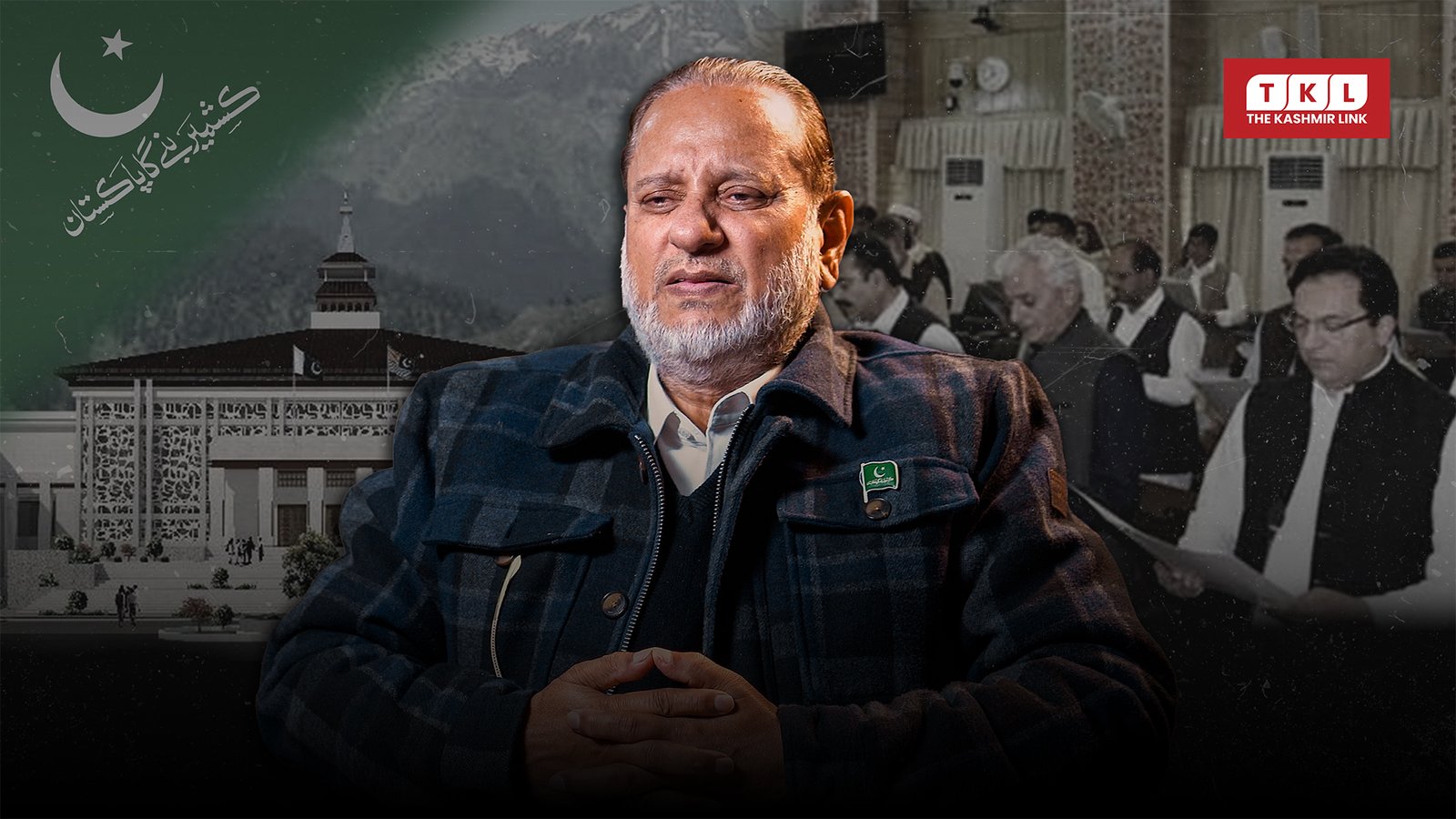
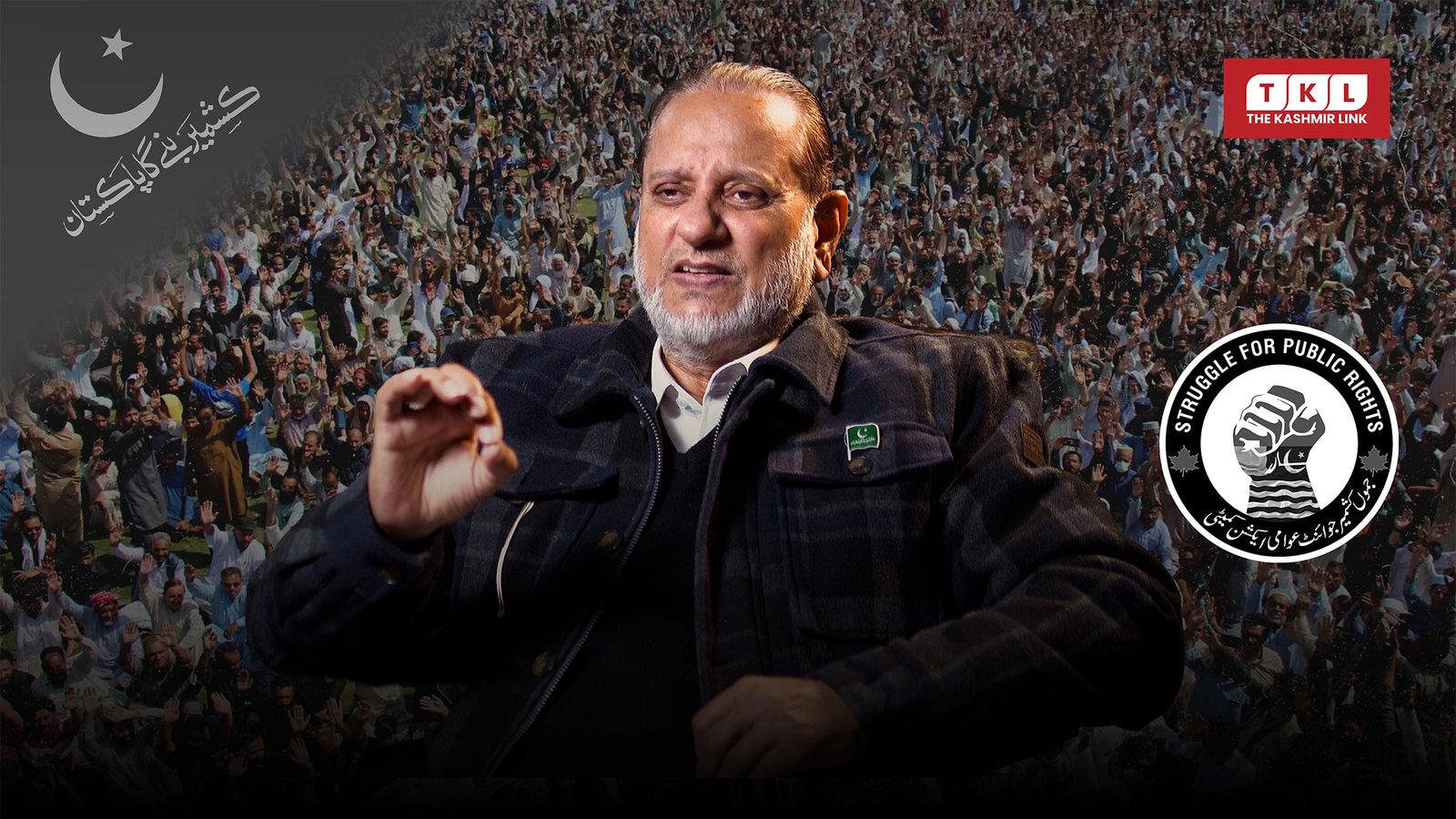
In a wide-ranging and thought-provoking interview, Justice Syed Manzoor Gillani, former Chief Justice of the Supreme Court of Azad Jammu and Kashmir (AJK), has called for a constitutional and legal review of the refugee representation system in the AJK Legislative Assembly — a system he terms “unjust, outdated, and against the spirit of representation.”
Justice Gillani’s arguments cut through decades of political hesitation surrounding the 12 legislative seats reserved for refugees of Jammu and Kashmir settled in Pakistan. He believes these seats, once created as a temporary arrangement, have become a structural distortion that undermines both the rights of AJK residents and the integrity of its Constitution.
“If a person is settled in one place and has obtained all rights there after migration,” Gillani stated, “how can the same rights be extended to him somewhere else? This is a violation of human rights — of those whose share is cut and given to them.”
A Question of Representation and Justice
According to the former Chief Justice, the refugees who migrated from the other side of the Line of Control (LoC) have long been recognized as citizens of Pakistan, enjoying full social, political, and legal rights in their respective provinces.
He argues that allowing them to simultaneously influence AJK’s political process not only contradicts legal logic but also dilutes the mandate of the people who actually live and vote in Azad Kashmir.
Justice Gillani suggests a simple yet effective solution: issuing special identity cards clearly mentioning “Migrant from Jammu and Kashmir.”
This, he says, would preserve their Kashmiri identity without disrupting constitutional balance or local representation in AJK.
The Legal Context
Justice Gillani refers extensively to the 1927 State Subject Law and its modern implications. Under this law, a person’s rights as a “State Subject” could lapse if they acquired citizenship elsewhere or settled permanently outside the state.
“The people of Azad Kashmir,” he notes, “are not citizens of Pakistan under the Citizenship Act of 1952 — yet Pakistan administratively governs this region. This contradiction must be addressed openly and legally.”
He criticizes the 13th Amendment to the AJK Constitution, passed during Raja Farooq Haider’s government, for incorporating provisions that extend rights beyond AJK’s constitutional jurisdiction.
“The Constitution of Azad Kashmir is meant for the territories of Azad Kashmir,” he said. “So where does Kohala, Rawalpindi, or Sukkur come into it?”
Revisiting the UN Resolutions
While reaffirming his commitment to the United Nations Security Council (UNSC) resolutions on Jammu and Kashmir, Justice Gillani argues that the interpretation must evolve with time.
“The circumstances of 1947 no longer exist,” he noted. “Nuclear deterrence, global alliances, and regional complexities make a 1947-style plebiscite humanly impossible today. But that doesn’t mean we give up on a peaceful settlement — plebiscite is only one mode of it.”
A Call for Political Maturity
Justice Gillani insists that constitutional reform in AJK must come through lawful and democratic means, not street upheaval or revolutionary change.
“Governments must listen to the people,” he said. “If they act against public will, they lose moral and legal legitimacy. But overthrowing a government through mob pressure is never a solution.”
He urges the AJK government to act within its lawful jurisdiction and implement reforms that do not require constitutional amendments immediately — while initiating a structured legal process for the more complex issues like refugee representation.
Towards Constitutional Coherence
In a nuanced argument, Justice Gillani points out that Azad Kashmir practically functions as part of Pakistan, though not constitutionally recognized as such.
Citing Article 1 of Pakistan’s Constitution, he interprets the phrase “territories otherwise included in Pakistan” as encompassing Azad Kashmir — an area administered by Pakistan under UN resolutions.
“When all these realities exist,” he said, “then why shouldn’t this region be considered a part of Pakistan? Why shouldn’t it have a provincial-type status — while still preserving the right to self-determination?”
Law, Identity, and Justice
Justice Syed Manzoor Gillani’s views reflect a rare blend of constitutional realism, legal depth, and political courage.
His call to end the refugee seats system is not a rejection of the Kashmiri diaspora but a plea to restore justice and representation for those who actually live under the governance of Azad Kashmir.
As he puts it succinctly:
“Law is law — justice is justice. This is not about hostility or exclusion; it’s about fairness and constitutional order.”
In a region where the politics of identity often overshadows the principles of law, Justice Gillani’s words invite a long-overdue national conversation — one that seeks not division, but clarity, justice, and democratic integrity in the constitutional future of Azad Jammu and Kashmir.


