
Kashmir After August 5, 2019: Why the Struggle Endures & Dialogue Remains Elusive

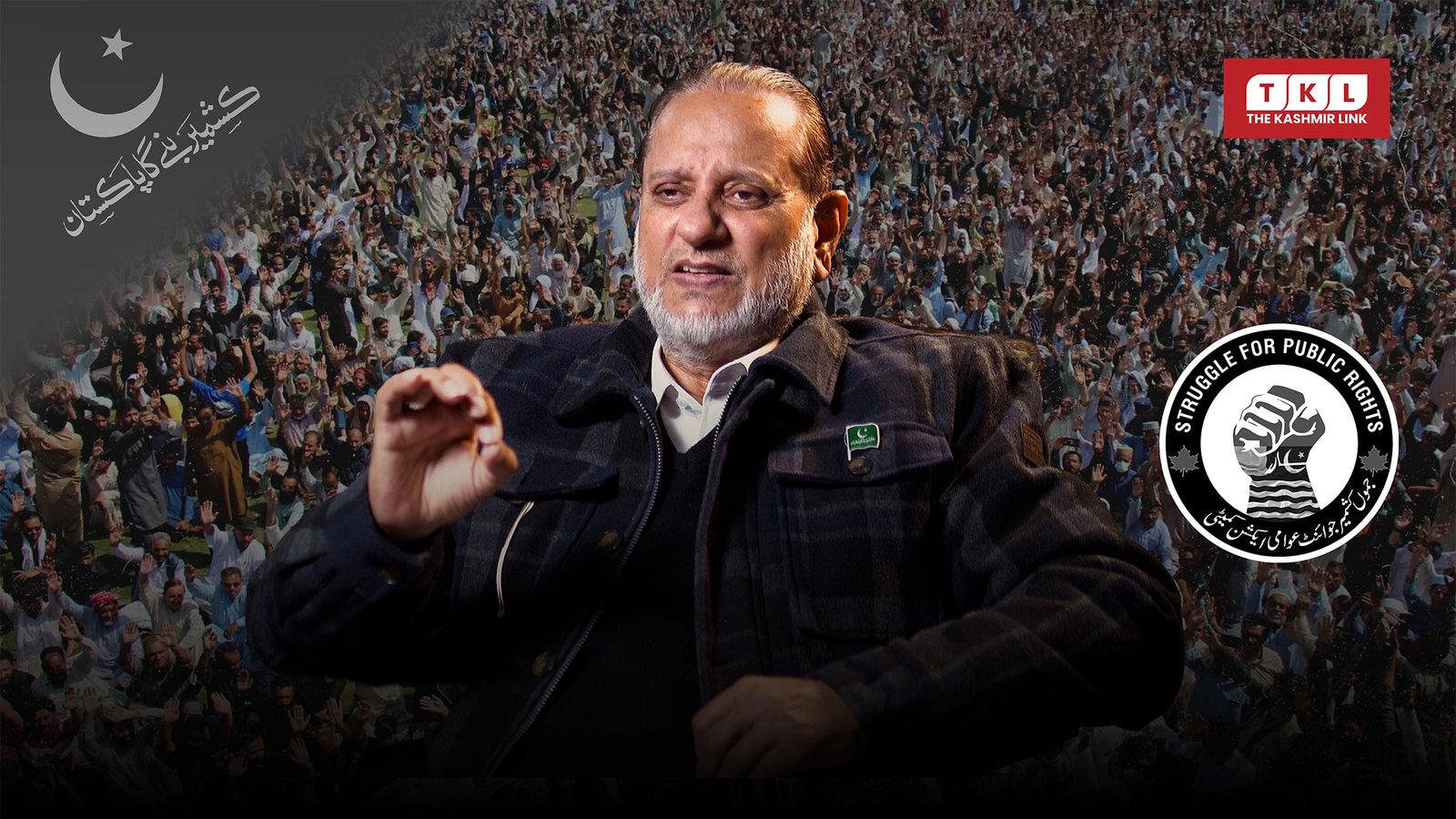
An interview-based analysis with former President of Azad Jammu and Kashmir, Sardar Masood Khan
More than five years after India’s unilateral actions of August 5, 2019, the Kashmir dispute remains unresolved—despite New Delhi’s repeated claims that it has been “settled.” In a wide-ranging interview, former President of Azad Jammu and Kashmir, Sardar Masood Khan, offers a candid assessment of what changed after that date, why India continues to deploy nearly one million troops in the region, and why diplomacy between Pakistan and India has stalled.
His reflections challenge the narrative of closure and underline a central reality: the right to self-determination of the people of Jammu and Kashmir remains intact, and the conflict continues to shape regional stability in South Asia.
August 5, 2019: A Unilateral Attempt to Bury Kashmir
According to Masood Khan, the most consequential development after August 5, 2019, was India’s revocation of Articles 370 and 35A of its constitution—provisions that granted Jammu and Kashmir a special status. Through this move, India sought to project the impression that the Kashmir issue had been permanently buried.
However, he stresses that United Nations Security Council resolutions bind both India and Pakistan, clearly prohibiting unilateral changes to the disputed region’s status. Pakistan, he notes, has adhered to these obligations, maintaining Azad Kashmir’s administrative and geographical structure as it existed in 1947. India, by contrast, gradually dismantled Kashmir’s autonomy—abolishing the offices of President and Prime Minister in earlier decades and finally revoking even its limited special status in 2019.
Diplomatic Fallout and Severed Ties
The immediate aftermath of August 5 saw a sharp deterioration in Pakistan–India relations. Diplomatic ties were downgraded, ambassadors were recalled, and bilateral trade was suspended. While informal trade continues through indirect channels, formal economic engagement remains frozen.
Beyond diplomacy, Masood Khan highlights a more far-reaching consequence: demographic engineering in Indian-occupied Jammu and Kashmir. Approximately four million new domicile certificates have reportedly been issued, granting settlers equal rights with the indigenous population. Alongside census manipulation and electoral redistricting, these measures have reduced Muslim representation in legislative bodies while increasing the influence of non-Muslim constituencies. Following these changes, a new local government was formed in October 2024.
An Open-Air Prison Under Massive Military Presence
Despite claiming normalcy, India continues to maintain an extraordinary military presence in Kashmir—nearly one million troops, one of the largest deployments anywhere in the world since World War II. For Masood Khan, this fact alone exposes the fragility of India’s claims.
“If the issue were truly resolved,” he argues, “there would be no justification for such overwhelming force.” He points out the contradiction in India’s security posture: while expressing concerns over its border with China, New Delhi continues to concentrate its military strength in Kashmir—an unmistakable sign that popular consent remains absent.
Installed Leadership and the Politics of Control
Masood Khan traces India’s strategy of political control back to 1974, arguing that successive Kashmiri leaders—from Sheikh Abdullah to Farooq Abdullah and now Omar Abdullah—have remained aligned with New Delhi. In his view, these arrangements were designed to preserve privileges rather than secure genuine autonomy.
This dependency, he believes, further explains India’s reliance on military force. Political legitimacy has not been earned; it has been enforced.
Why Kashmir Must Not Lose Hope
Looking ahead, Masood Khan cautions against despair. He insists that the next 10 to 15 years are critical and that hopelessness would only serve India’s objectives. The regional and global landscape, he argues, is never static, and India’s current position is not permanent.
Short-term repression, he says, must not dictate long-term compromises. Strategic decisions must be made with a vision extending decades ahead—grounded in resilience, patience, and adaptability. The struggle, he maintains, requires sustained commitment rather than emotional exhaustion.
Diplomacy: Pakistan’s Consistent Offer, India’s Reluctance
One of the interview’s central themes is diplomacy. Masood Khan rejects the notion that Pakistan has avoided dialogue, stating that from 1947 to the present day, Islamabad has consistently invited negotiations. India, on the other hand, has repeatedly avoided meaningful engagement, even when talks did occur.
India’s growing economic and strategic ties with the United States, coupled with its self-perception as an emerging global power, have reinforced this reluctance. Yet, Masood Khan notes a revealing contradiction: Indian media remains obsessed with Pakistan and Kashmir, discussing both topics multiple times a week—suggesting unresolved anxieties beneath official bravado.
For regional and global stability, he argues, sustained dialogue between two nuclear-armed neighbors is not optional—it is essential.
Has Pakistan Paid a Price for Kashmir?
Masood Khan dismisses claims that Pakistan’s economic challenges stem from its Kashmir policy. According to him, Pakistan has not diverted substantial economic resources toward Kashmir at the expense of development. The country’s difficulties, he insists, are rooted primarily in governance failures.
He emphasizes that Kashmir is not merely a humanitarian concern for Pakistan but an issue linked to its ideological foundations and legal claims arising from the subcontinent’s partition. While respecting the will of the Kashmiri people, Pakistan remains a principal stakeholder.
The most severe loss Pakistan suffered due to India-related tensions, he notes, was the separation of East Pakistan—an event that also prompted a reassessment of national security, ultimately leading to nuclear deterrence and strengthened defense capabilities.
Did Pakistan Anticipate August 5?
Masood Khan rejects the idea that any political force in Pakistan supported India’s 2019 actions or had advance knowledge of the specific operation. While India’s broader intentions were evident—having been openly declared in election manifestos and political rallies—the exact timing and execution were not known beforehand.
Why SAARC Cannot Address Kashmir
The Kashmir issue, Masood Khan explains, cannot be raised within SAARC because the organization was conceived as an economic platform, not a forum for political or bilateral disputes. Past attempts to introduce Kashmir triggered strong Indian backlash, undermining the bloc’s functioning.
He argues that SAARC’s stagnation is primarily due to India’s consistent obstruction, regardless of which party is in power. Without a stable political environment, regional cooperation remains unattainable—much like the European Union would struggle if its member states were locked in active conflicts.
COVID-19 and the Lost Diplomatic Momentum
In the immediate aftermath of August 5, India found itself diplomatically isolated. Global forums, including the UN Security Council, debated Kashmir once again, with China supporting Pakistan’s stance. However, the outbreak of COVID-19 abruptly halted diplomatic momentum.
The pandemic froze global movement and media attention, allowing India to consolidate its actions with minimal scrutiny. Masood Khan believes the Kashmiri cause has yet to recover from this setback and that reclaiming international attention will require significantly greater effort.
The Last Meaningful Phase of Dialogue
Reflecting on history, Masood Khan identifies the 1950s and the period between 2004 and 2008 as the last eras of substantive engagement. Confidence-building measures during the latter period—including cross-LoC travel and trade—offered rare hope.
Those initiatives demonstrated that dialogue, when supported by trust and continuity, can yield tangible results. Their collapse only reinforced how fragile peace becomes in the absence of political will.
Beyond Photo-Ops: What Real Dialogue Requires
According to Masood Khan, genuine dialogue demands trust, preparation, and sustained engagement—not symbolic meetings. Diplomats must lay the groundwork before leaders meet; otherwise, talks remain superficial gestures.
For India to truly aspire to great-power status, he concludes, it must recognize the interests of its neighbors. Peace in South Asia—and broader global stability—depends on meaningful, continuous dialogue between Pakistan and India.
Until that happens, Kashmir remains unresolved, its people unheard, and the promise of lasting peace unfulfilled.


