
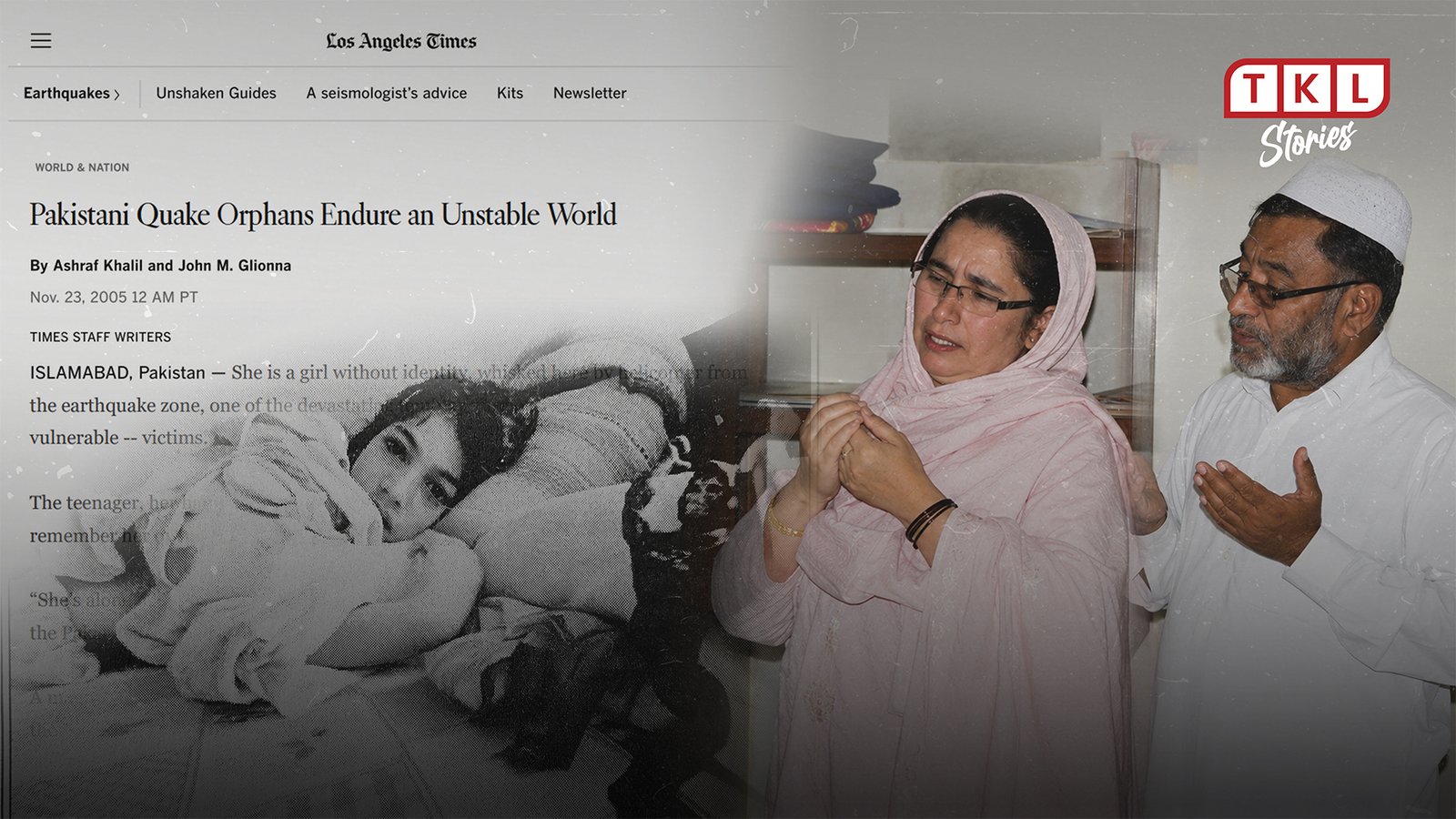
Daughters of the Valley: Stories of Courage and Resilience from Kashmiri Women

Kashmiri Women:
When the first light of dawn spreads across the towering mountains of the Kashmir Valley, it does more than illuminate the landscape. It reflects the quiet strength, determination, and courage of the women who live there — women who continue to move forward despite life’s harshest trials.
A new documentary released ahead of International Women’s Day on March 8 brings these powerful stories to light. The film captures the journeys of several remarkable women from Muzaffarabad and surrounding areas who refused to let tragedy define their lives. Instead, they turned adversity into strength and became sources of inspiration for others.
A Doctor Who Refused to Stop Healing
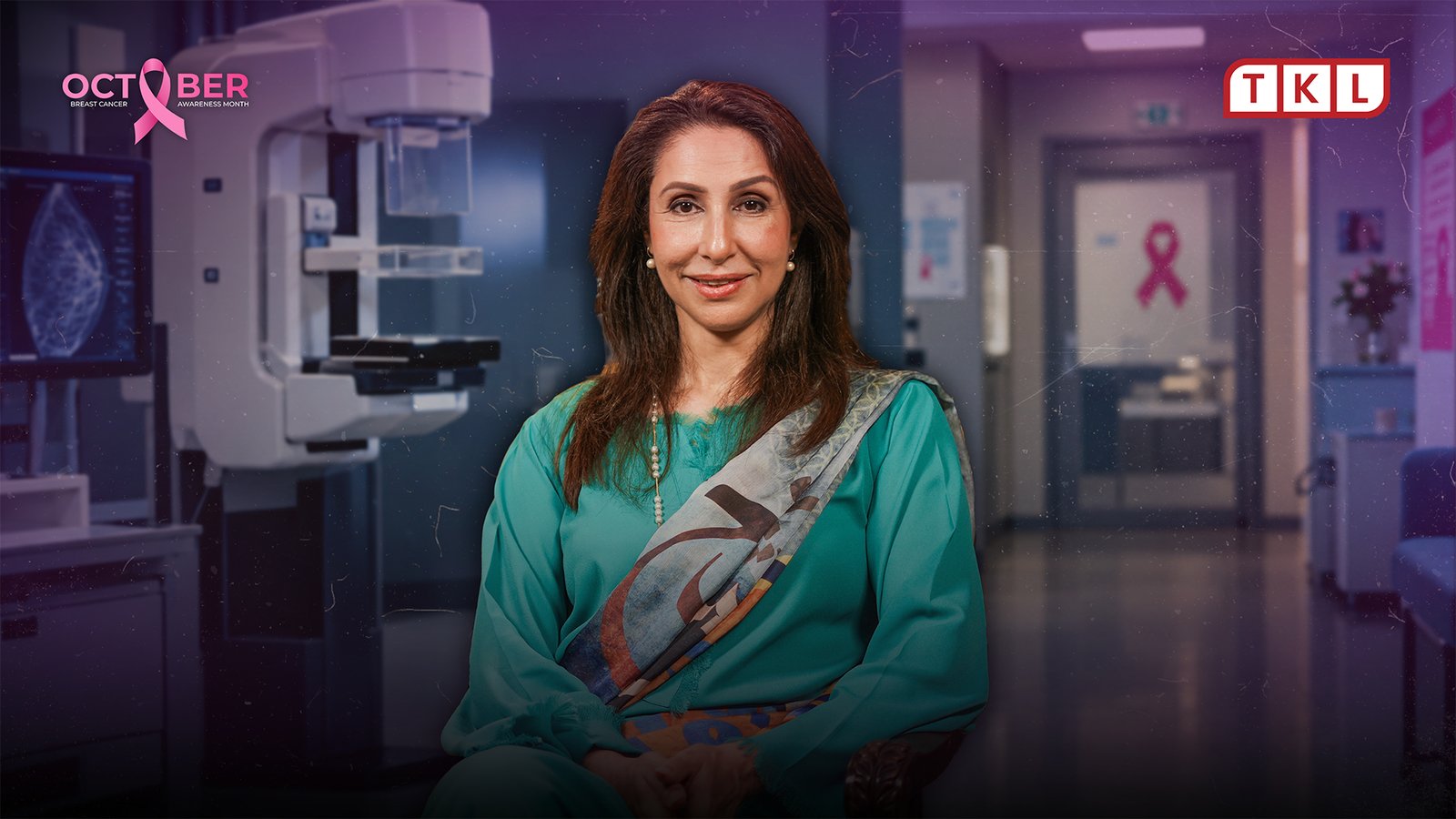
Inside a room at the largest hospital in Muzaffarabad sits Dr. Anam Najam, a psychiatrist whose warm smile greets patients seeking help for their struggles.
Years ago, Dr. Najam survived a life-threatening shooting by unknown robbers. The attack left her unable to walk, and she has used a wheelchair ever since. But while the wheelchair became part of her daily life, she never allowed it to define who she was.
“I never saw myself as someone with special needs,” she reflects. “Internally, I was always the same person.”
Her recovery was not easy. There was a time when she was completely dependent on others for even the smallest tasks.
“I couldn’t even lift a glass of water,” she recalls. “If a fly landed on my face, I couldn’t move to shoo it away.”
Today, however, she stands as a pillar of hope in the field of mental health. Through her work, she reminds people that emotional suffering can sometimes be even more intense than physical pain — and that seeking help is not a sign of weakness.
“Life is a precious gift,” she says. “When solutions exist, we should reach out and claim them.”
Breaking Stereotypes from a Wheelchair
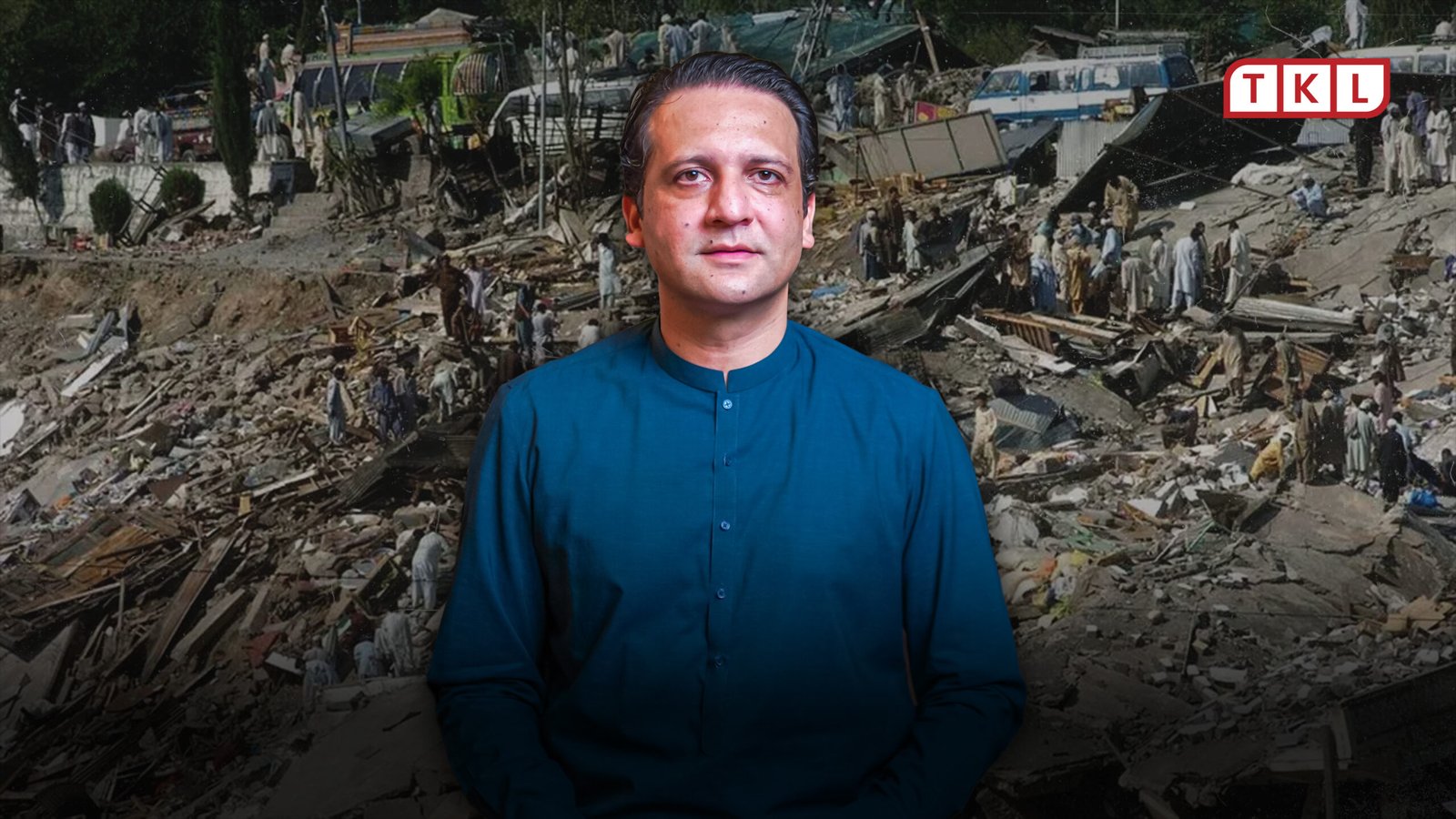
Another inspiring voice in the documentary is Rumeela Hameed, who has been living with a spinal injury since the devastating 2005 earthquake.
Confined to a wheelchair for the past two decades, she says one of the biggest challenges she faced was not her disability but society’s perception of it.
“People would look at me and say ‘poor girl,’” she explains. “Their first question would always be, ‘What happened to you?’ — even though it was obvious.”
Rather than allowing sympathy to become a label, Rumeela focused on building her future. She completed her education and eventually found financial independence through freelancing.
Today, she advocates for greater opportunities for people with disabilities, especially through online education and skill-based training.
“If we provide proper learning platforms,” she says, “people with disabilities can become financially independent instead of being seen as a burden.”
Cooking Dreams and Empowering Women
In the Upper Chattar area of Muzaffarabad, the aroma of traditional Kashmiri dishes drifts from a small but vibrant restaurant. The place is more than a food spot — it is the realization of Khizra Manzoor’s dream.
When she first started her restaurant, many questioned whether a woman could run such a venture. Instead of responding with words, Khizra answered with determination.
Her restaurant employs female chefs and provides a safe working environment for women who might otherwise struggle to find employment.
“I wanted people to feel like they were eating food prepared at home,” she says. “That’s why I hired female chefs — not just for quality, but for women’s empowerment.”
Today, several young women work alongside her, some of whom were allowed by their families to work only because the environment was safe and women-led.
For them, the restaurant is more than a workplace — it is a step toward independence.
Turning Pain into Purpose
The documentary also features Shaista Mustafa, who survived a terrifying building collapse that left her believing she would not survive.
“I recited the Kalma because I thought it was my final moment,” she recalls.
But she lived — and that second chance changed the course of her life.
Instead of allowing fear to dominate her future, Shaista chose to dedicate herself to helping others.
“I started focusing on people’s pain,” she says. “Helping them gave meaning to my own struggles.”
By sharing the burdens of others, she discovered a path toward healing and strength.
A Story Larger Than Circumstances
While each woman’s journey is unique, they all share a common thread — resilience.
Whether confronting disability, societal expectations, trauma, or economic challenges, these women refused to let their circumstances dictate their future.
They may stumble, but they rise again. They face doubts, but answer with determination.
In the end, the documentary sends a powerful message: the women of Kashmir are not defined by hardship. They define themselves through courage, compassion, and unwavering strength.
And perhaps that is their greatest triumph — they are not merely survivors of their circumstances.
They are authors of their own stories.


