
Action Committee “A Peaceful Movement Within Constitutional Framework”

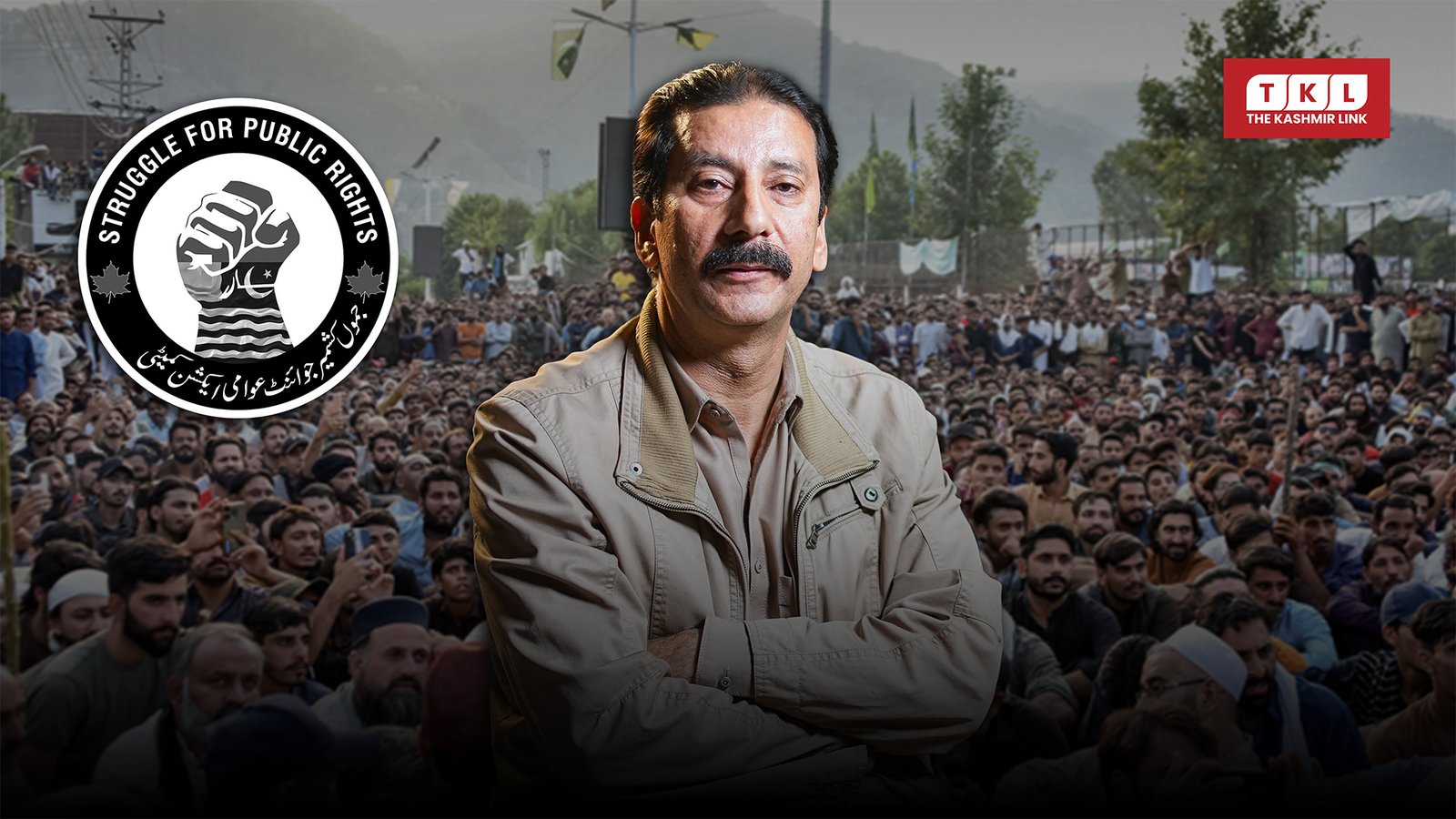
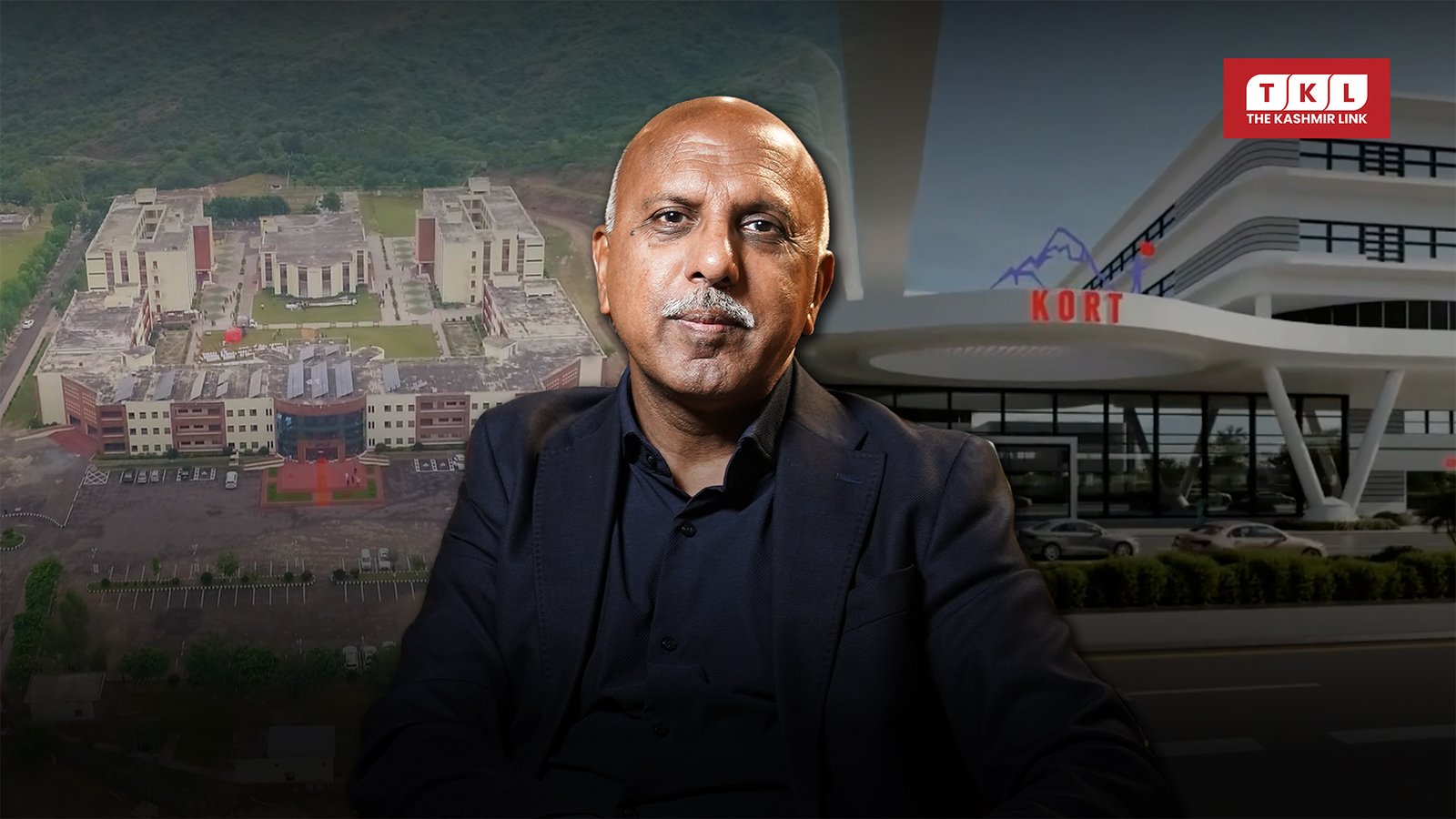
Kotli Sarsawa | February 2026 — A fresh political debate has emerged in Azad Jammu and Kashmir after Shoukat Nawaz Mir, Core Member of the Jammu Kashmir Joint Awami Action Committee (JKJAAC), publicly challenged the government’s claim that “98% of issues” agreed under last year’s Memorandum of Understanding (MoU) have been resolved.
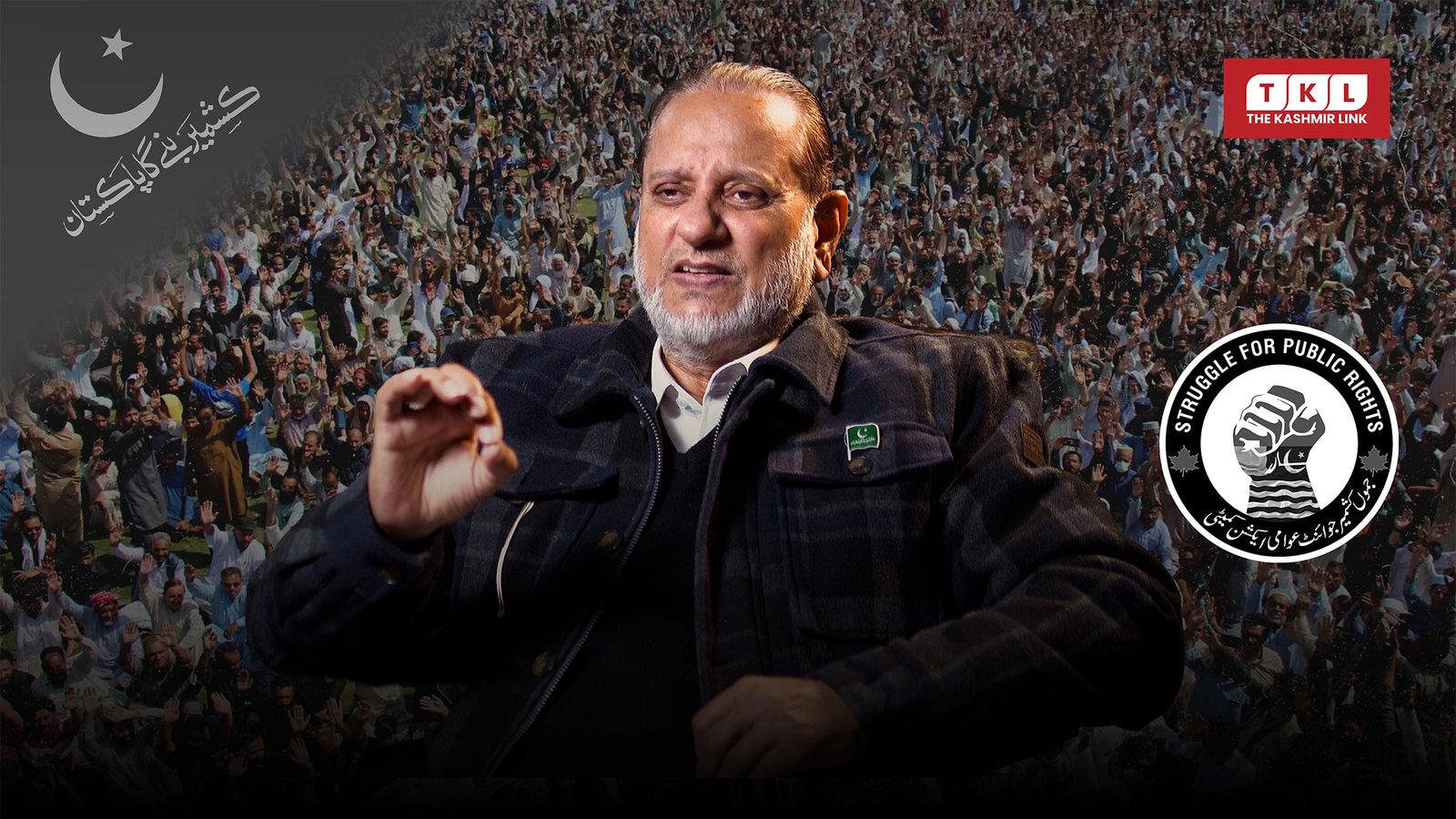
In a detailed interview, Mir presented what he described as official Minutes of Meeting dated February 10, 2026, arguing that the government’s own documentation contradicts statements made earlier on national media by State Prime Minister Faisal Mumtaz Rathore.
“If 98% was resolved, then why do their own documents say ‘under process’, ‘committee formed’, ‘PC-1 submitted’?” Mir questioned.
Action Committee – From Kohala Protest to MoU
The MoU was signed following widespread unrest that culminated in the September 29 protest at Kohala, where thousands gathered demanding relief in electricity tariffs, withdrawal of cases, and governance reforms.
Mir emphasized that the agreement was not forced upon authorities.
“They made the agreement at their request. The entire crowd was stopped at Kohala on their assurance. Once an agreement is signed, it becomes the responsibility of the Government of Pakistan and the Government of Azad Kashmir to implement it.”
The MoU reportedly set a 90-day implementation timeline, with progress meetings scheduled every 15 days. Certain matters were to be settled within 15, 20, or 30 days.
According to Mir, despite the agreed timeframe, the committee granted the government an additional month, extending the deadline to February 21.
“We fulfilled every ethical and legal requirement so no one could say the new government wasn’t given time.”
Action Committee – FIR Withdrawals: Disputed Numbers
One of the central points of contention involves the withdrawal of FIRs registered during the protest period.
Mir cited official figures from the February 10 minutes:
- Total FIRs: 192
- Withdrawn prior to September 2025: 67
- Withdrawn through Law Department: 10
- FIRs intact/death cases: 15
He argued that several cases remain pending in courts.
“How can they say 98% is resolved when cases are still active?”
10 Billion Rupees Electricity Funding Controversy
A major flashpoint in the interview concerned the government’s claim that Azad Kashmir received 10 billion rupees for electricity system improvements.
Mir read from the official record stating that a revised PC-1 had been prepared and vetted and would soon be placed before the Development Working Party (DWP).
“If it is still in the PC-1 and PC-2 process, how can the Prime Minister say the money has been received?” he asked.
The issue has heightened public scrutiny amid ongoing concerns over electricity billing, particularly for loads above 5KVA, surcharge calculations, and installment adjustments.
Action Committee – The Core Deadlock
Mir described the 12 refugee seats issue as the primary reason negotiations have been suspended.
Under the understanding reached during talks, holders of the 12 refugee seats were to maintain status “As MLA” until a committee decision, without executive or authoritative powers.
Mir acknowledged that these members voted in the election of Faisal Mumtaz Rathore as Prime Minister and that the Action Committee did not object to their voting rights.
The dispute arose, he said, when they were appointed as Chairmen of committees with executive authority, along with salary increases and official privileges.
“When you make them Chairmen and increase their salaries, give them cars and drivers, that is a violation of the agreement.”
Until the appointment orders are reversed, Mir said, the committee cannot resume formal negotiations.
Action Committee – “Under Process” vs. “Resolved”
Mir further cited examples from the minutes, including:
- Procurement of MRI and CT Scan machines
- Electricity infrastructure funding
- Local Government Act review
- Division-level examination boards
In each case, he claimed, documentation describes projects as “under process” or pending approval.
“We have been hearing ‘will do, shall do’ for 78 years. The public now demands practical work.”
ECL/PCL Concerns
Another sensitive issue involves names allegedly placed on the Exit Control List (ECL) and Passport Control List (PCL).
Mir said officials verbally claimed 400–500 names had been removed but no written confirmation had been provided.
“We cannot rely on verbal claims. Give us the hard copy so we know who these individuals are.”
He warned that if any youth are stopped at airports without clarification, responsibility would lie with the governments.
Peaceful Movement
Throughout the interview, Mir reiterated that the committee’s movement remains peaceful and constitutional.
“We have not spoken of armed struggle. Ours is a peaceful movement within the Constitution of Pakistan and the Constitution of Azad Kashmir.”
He added that the committee has “no personal quarrel” with individuals but seeks systemic reform and reduction of elite privileges.
Next Call Expected
The Jammu Kashmir Joint Awami Action Committee is scheduled to meet on February 25 at Kotli Sarsawa, where a decision regarding the “next call” is expected.
Mir indicated that unless the Charter of Demand is fully implemented, political uncertainty may continue.
“As long as we are demanding our basic rights within the Constitution, we will not back down.”
Political Implications
The interview adds to mounting political pressure on the current AJK administration. While the government has maintained that substantial progress has been achieved, the Action Committee’s release of meeting minutes signals an escalating narrative battle over transparency and implementation.
With public sentiment still influenced by the events of September 29 and earlier unrest, the February 25 meeting could mark a significant moment in the ongoing standoff between the Joint Awami Action Committee and the Azad Kashmir government.
Observers now await the committee’s formal announcement to determine whether negotiations resume — or whether a renewed phase of public mobilization begins.


