


Laiba Ejaz: The Dark Side of the Study Abroad Dream

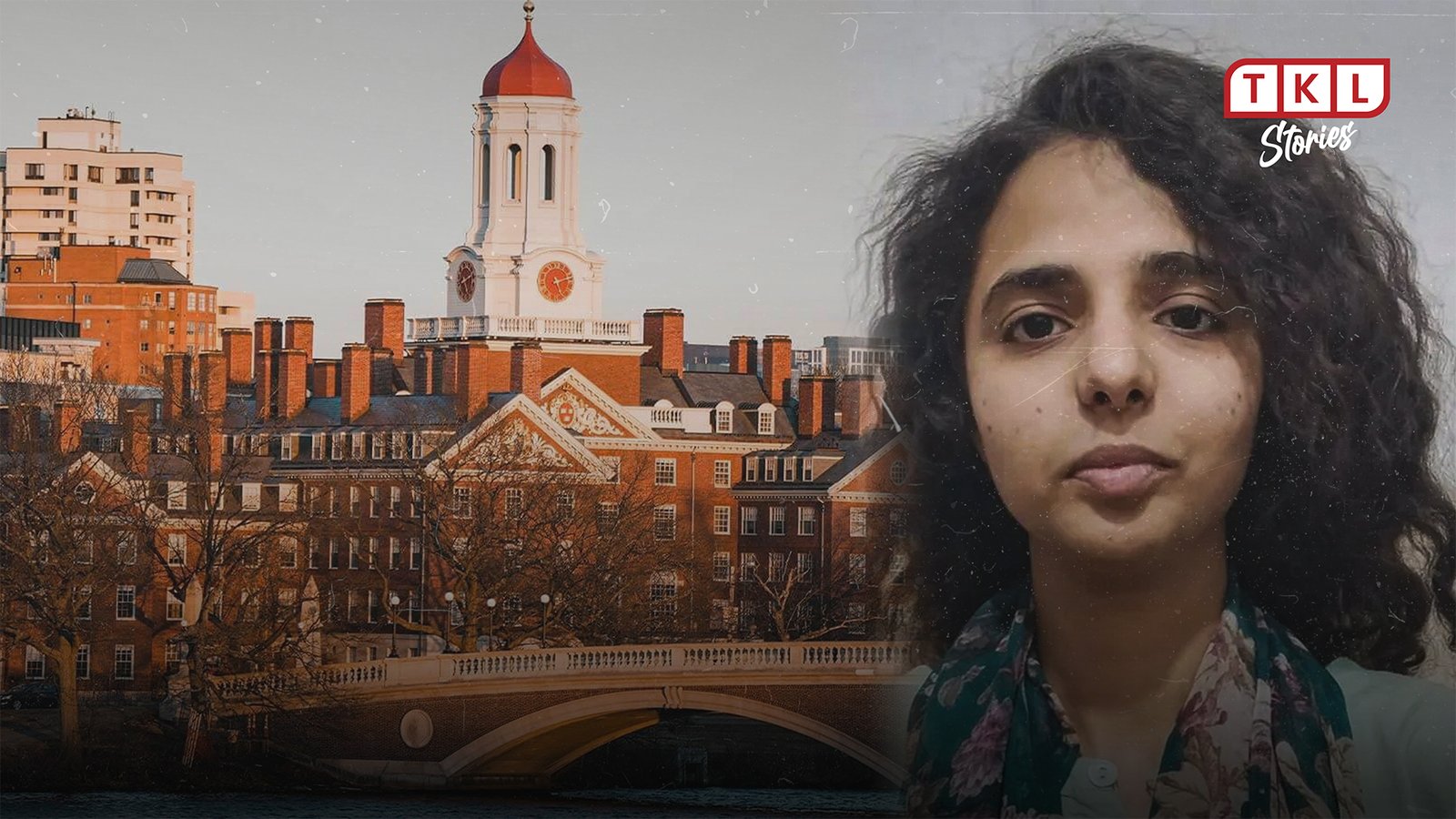
Laiba Ejaz: For Laiba Ejaz, studying at Harvard University was more than an academic ambition. It was a dream of building a better future for herself and her family.
The 22-year-old from Sargodha had earned a gold medal in BS Physics from the International Islamic University Islamabad (IIUI). Her academic achievement reflected years of hard work, while her aspirations carried the hopes of a family willing to make significant sacrifices to help her succeed.
But a promise that her family believed would take her closer to her dream allegedly turned into a case of fraud. Laiba died on 9 October 2026, leaving her family devastated and raising serious questions about the risks faced by Pakistani students seeking higher education abroad.
Laiba Ejaz – A family’s sacrifice for a daughter’s future
According to Laiba’s family, a man identified as Muhammad Nauman assured her that he could arrange admission to Harvard University, secure a scholarship and facilitate her US visa.
Trusting these assurances, the family began arranging the money required for the process.
Laiba’s father earned his living by selling milk. For a family with limited financial resources, financing overseas education was a considerable challenge. Yet, determined to support their daughter’s ambitions, her father sold a plot of land, while her mother’s jewellery was pledged to help meet the expenses.
According to the First Information Report (FIR), the amount involved in the arrangement was Rs9.3 million. The FIR states that Rs2.1 million was paid in cash and Rs2.9 million was transferred to the accused through various bank accounts.
Laiba’s father alleged that documents subsequently provided to his daughter in connection with the visa process were found to be fake when checked. The FIR also alleges that a receipt showing the deposit of US$20,000 into a bank account for a bank statement was fraudulent.
The discovery reportedly caused Laiba severe emotional distress. She died on 9 October.
The allegations surrounding the case require investigation and judicial determination. However, the tragedy has drawn attention to the vulnerability of students and families who place their trust in promises of admission, scholarships and overseas opportunities.
Laiba Ejaz – When promises replace verification
For many Pakistani students, studying abroad represents an opportunity to access advanced education, develop professional skills and improve their future prospects.
Yet, navigating international admissions can be complicated. Students must identify suitable universities, understand eligibility requirements, prepare academic documents, meet application deadlines and explore scholarships. Visa applications bring additional requirements and procedures.
For students unfamiliar with these processes, education consultants can provide useful guidance. A responsible adviser can help applicants understand university requirements, prepare documents and identify potential funding opportunities.
The problem arises when assistance is presented as a guarantee.
Speaking to The Kashmir Link, education consultant Fatima Sadozai said some fraudulent schemes involved individuals who exploited personal relationships and the trust of students and their families.
She identified a lack of awareness and independent research as contributing factors, explaining that some students relied on another person’s assurances instead of verifying information themselves.
Sadozai noted that international universities increasingly provide information through official websites and help desks, enabling prospective students to contact institutions directly.
Her advice highlights a fundamental distinction: an education consultant may help prepare an application, but the consultant cannot independently award admission or a scholarship, nor can they guarantee a visa.
Admission decisions rest with universities, scholarship decisions with the relevant universities or funding bodies, and visa decisions with authorised immigration officials.
How students can protect themselves
Laiba’s case underscores the importance of verifying every stage of an overseas education process before making substantial payments.
Students and parents should contact universities directly to confirm admission offers, scholarship awards and application status. They should also check whether an email address, application portal and payment instructions are genuinely associated with the institution.
Any consultant claiming to guarantee admission, a scholarship or a visa should be treated with caution. Students should independently verify the consultant’s identity, business registration and professional credentials, and obtain written agreements and receipts for payments.
Requests to transfer large sums into personal bank accounts, claims of privileged access to university officials, fabricated deadlines and documents that cannot be confirmed independently are potential warning signs.
A genuine admission offer should be verifiable through the university’s official channels. Similarly, visa information should be obtained from the relevant embassy or authorised government source.
These precautions cannot eliminate every risk, but they can help students make informed decisions and reduce the chances of falling victim to fraud.
Laiba Ejaz – A tragedy that demands accountability
Laiba Ejaz’s story is not simply about money allegedly lost in a fraudulent arrangement. It is also about the hopes invested in a young woman’s education, the sacrifices made by her parents and the devastating consequences that can follow when trust is exploited.
Her death also highlights the importance of accessible information and effective oversight of individuals and businesses offering overseas education services.
The allegations in her case must be established through a fair investigation and due process. Those responsible for any proven wrongdoing must be held accountable under the law.
For students and parents, the lesson is equally important: seek guidance when necessary, but never confuse a consultant’s promise with an official decision.
A future built through years of hard work deserves to be protected by reliable information, independent verification and responsible advice.
Before investing your savings in a dream of studying abroad, verify every promise.


