
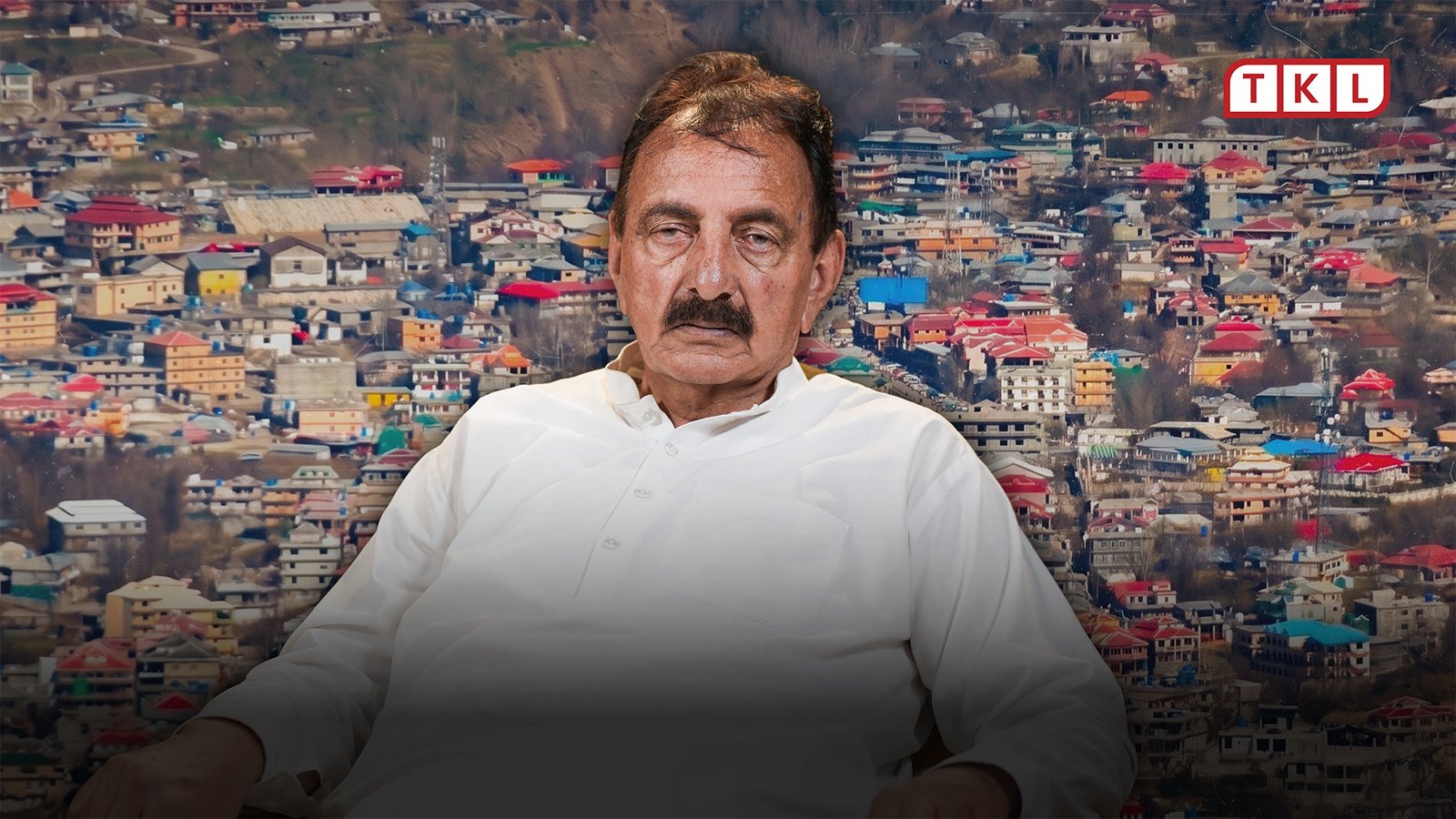
2005 Earthquake Didn’t Just Destroy Buildings

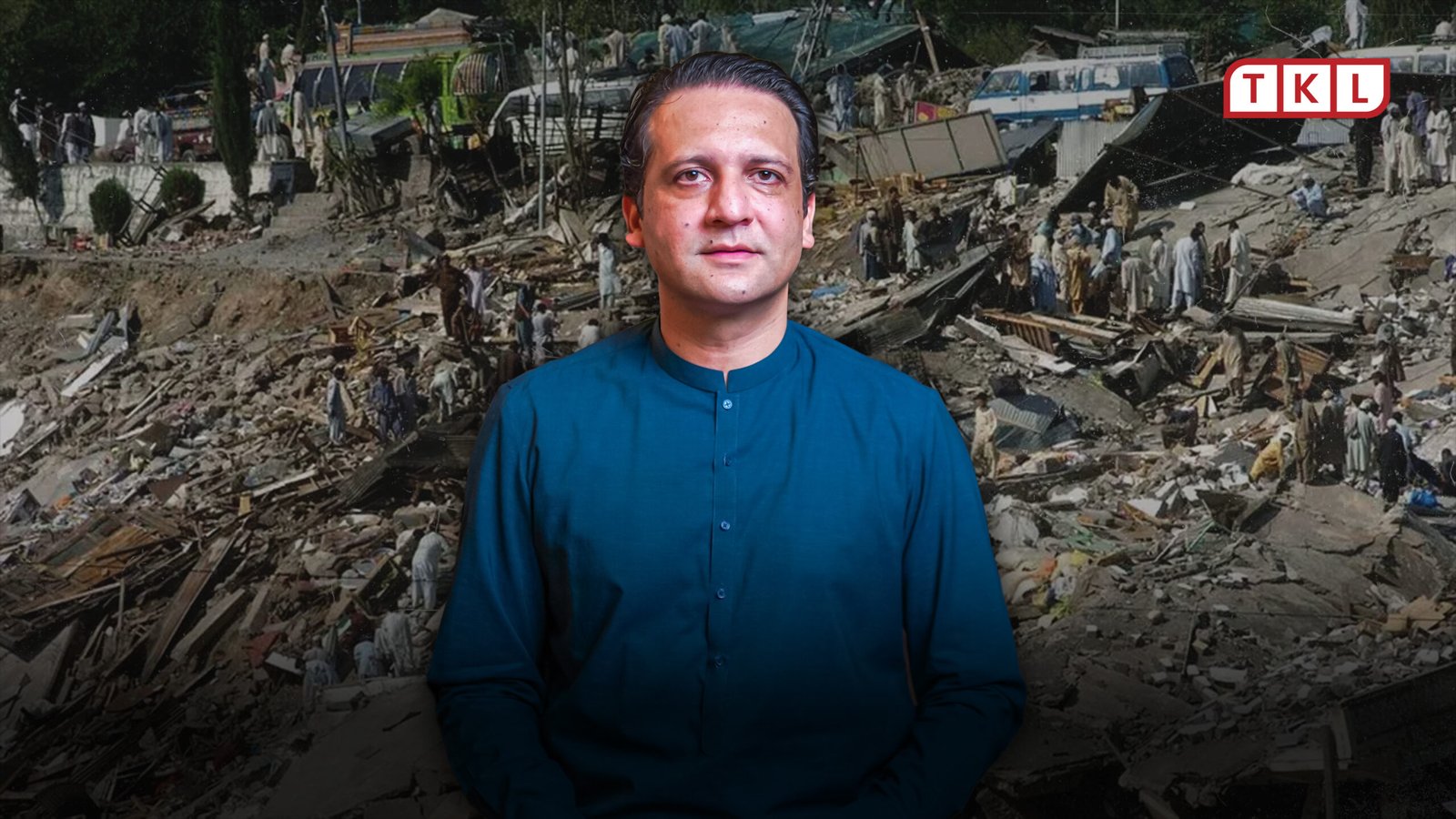
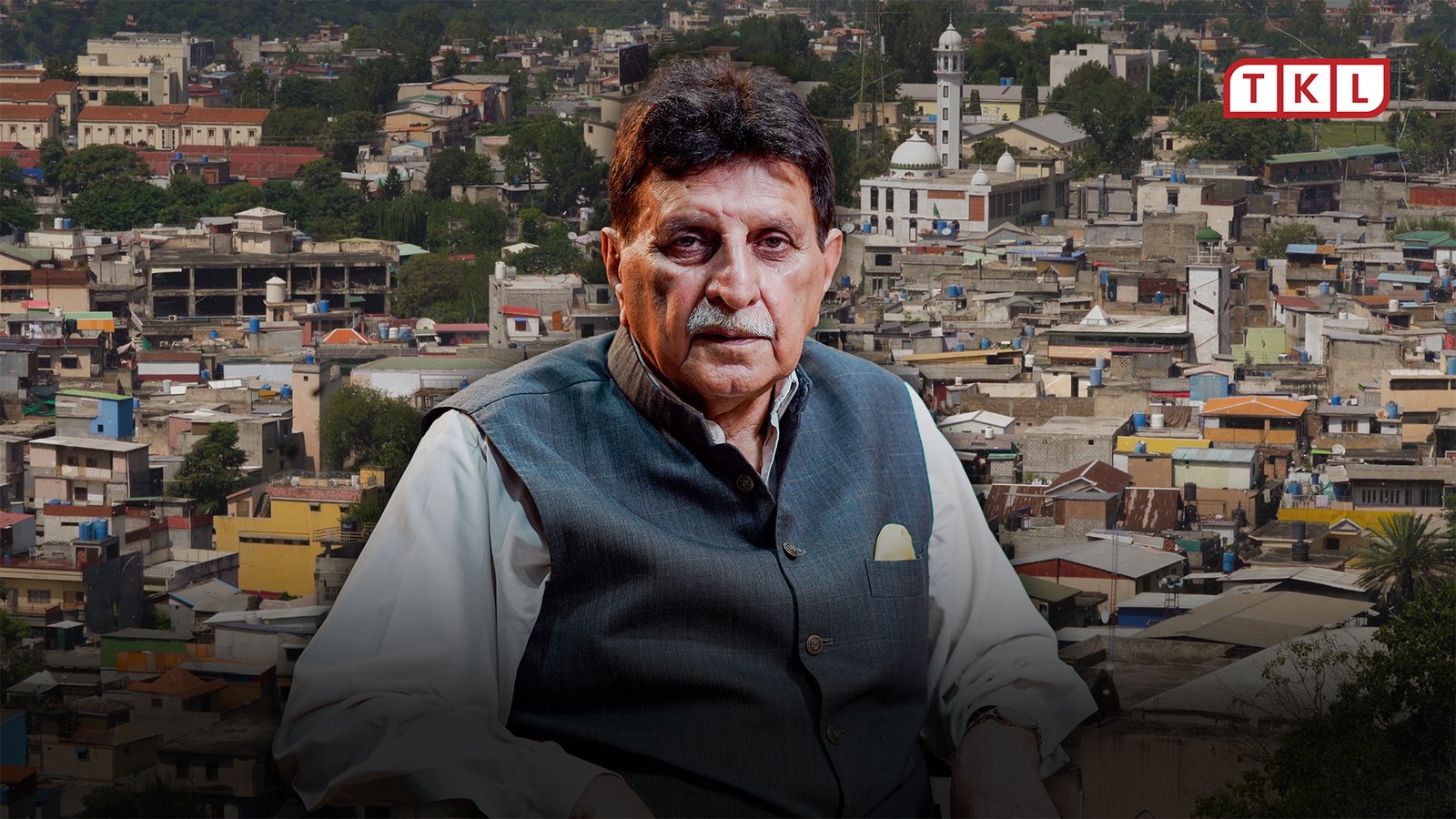
2005 Earthquake – The October 8, 2005 earthquake did more than destroy buildings in Muzaffarabad, according to former Azad Jammu and Kashmir (AJK) education minister Barrister Syed Iftikhar Ali Gillani. It altered the city’s population patterns, economy, infrastructure and social fabric in ways that, he says, continue to be felt years later.
Speaking in an interview recorded before he became Prime Minister of AJK, Gillani said the earthquake fundamentally changed the dynamics of Muzaffarabad and surrounding areas.
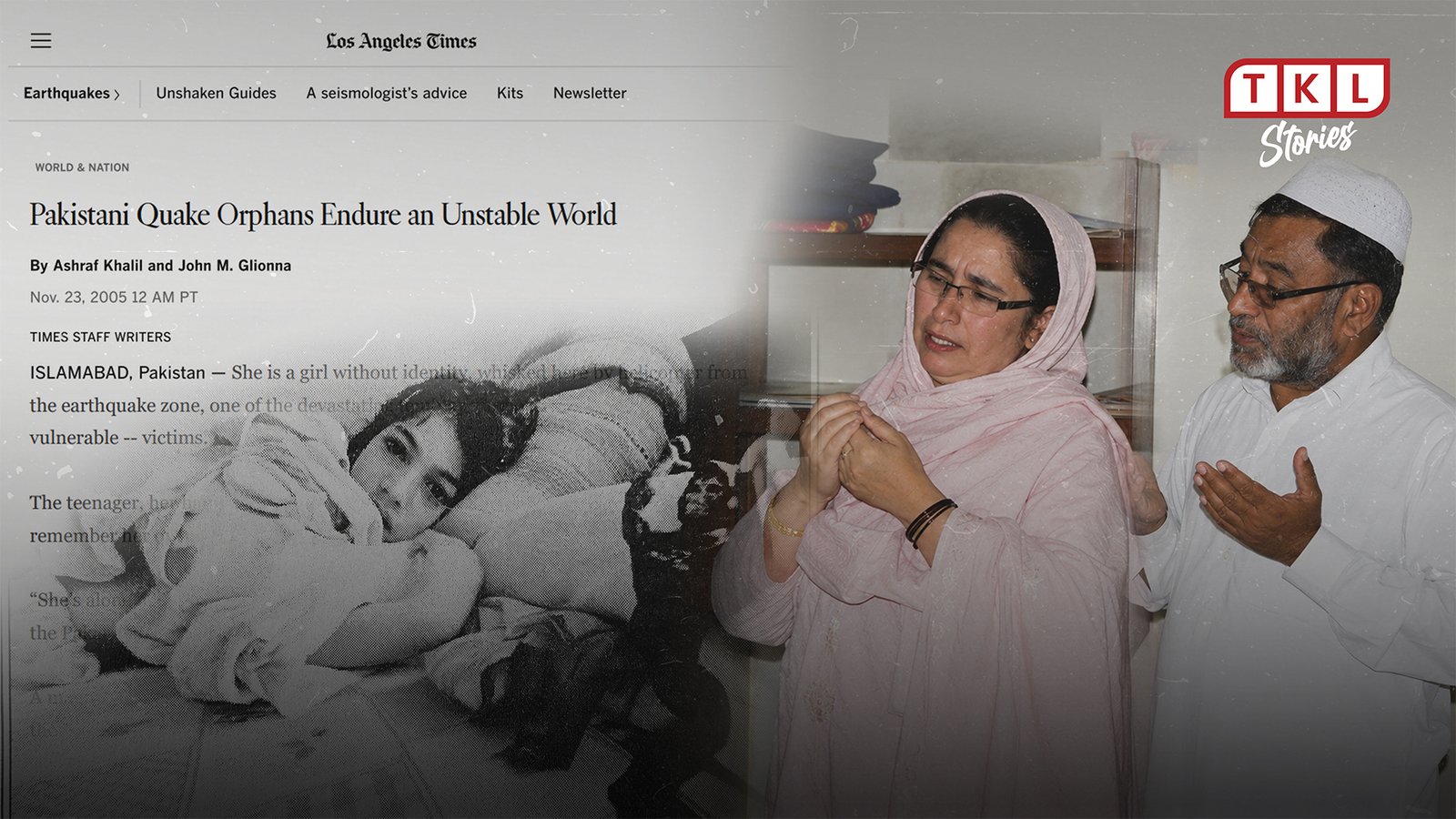
He recalled the scale of the human tragedy, saying thousands of people lost their lives, while the destruction of homes, schools, hospitals and other infrastructure triggered a major movement of people.
2005 Earthquake – Reconstruction remained incomplete
Gillani said that while a significant portion of the reconstruction was completed, much of the infrastructure envisaged after the earthquake remained unfinished.
He estimated that around 50 per cent of the reconstruction had been completed, while the remaining projects faced delays because of financial constraints and shortages of funds.
He attributed some of the delays to the way reconstruction funding was subsequently managed, saying that allocations initially intended for Azad Jammu and Kashmir were, in some cases, shifted elsewhere following floods and other natural disasters.
These figures and explanations represent Gillani’s account and were not independently established in the interview.
He distinguished between projects that were directly donor-funded and those implemented through the Earthquake Reconstruction and Rehabilitation Authority (ERRA) and its AJK counterpart, SERRA.
According to Gillani, directly donor-funded projects, including major health facilities, were completed comparatively quickly, while projects implemented through ERRA and SERRA remained partially incomplete.
2005 Earthquake – A city transformed by migration
The former education minister also described a major population shift following the earthquake.
People from surrounding rural areas whose homes and local infrastructure had been destroyed moved towards Muzaffarabad, where shelters and other emergency facilities were available.
At the same time, Gillani said, many residents of Muzaffarabad moved to Islamabad, Rawalpindi and other parts of Pakistan, with some eventually settling there permanently.
He described this as a population cycle that changed the composition and social structure of Muzaffarabad.
The disruption of businesses and livelihoods further contributed to the movement of people, he said.
Over time, according to Gillani, those who had moved into the city became part of its permanent population, while many of those who left established new lives elsewhere.
2005 Earthquake – The unimplemented master plan
Gillani also pointed to what he described as one of the major missed opportunities following the earthquake: the failure to implement a comprehensive master plan for Muzaffarabad.
He said the plan envisaged expansion of the city, wider roads and reconstruction according to a new urban pattern.
However, he claimed that less than five per cent of the proposed master plan was implemented.
Instead, much of the rebuilding took place at or around the locations where infrastructure had existed before the earthquake.
Gillani argued that this limited the opportunity to redesign and expand Muzaffarabad in response to its changing population and long-term development needs.
His comments represent his assessment of the reconstruction process.
2005 Earthquake – Employment and the role of government
Turning to the wider economic challenges facing AJK, Gillani said employment and livelihoods remained among the biggest concerns for people in the region.
He attributed part of the challenge to AJK’s geography and dispersed settlements, which, in his view, limit opportunities for large-scale business activity.
He said this had historically pushed people towards government employment.
Gillani particularly discussed the education sector, arguing that its large workforce made it susceptible to political patronage.
He said reforms during his time in government were intended to change the way teachers were recruited and to strengthen merit in the education system.
NTS recruitment and teacher attendance
Gillani said one of the reforms introduced during his tenure was raising the minimum qualification requirements for teacher induction and using a third-party recruitment mechanism.
He highlighted the recruitment of teachers through the National Testing Service (NTS), saying that around 10,000 teachers were inducted through the process.
Contemporaneous reporting also confirms that the AJK government decided to use NTS for teacher recruitment during Gillani’s tenure, with the stated aim of improving merit and reducing political influence in appointments.
Gillani also pointed to the introduction of biometric attendance in government schools, saying the system was intended to address teacher absenteeism.
His tenure as education minister from 2016 to 2021 and the introduction of NTS recruitment and biometric attendance have also been reported in subsequent coverage of his political career.
Early Childhood Education
Another reform highlighted by Gillani was the introduction of Early Childhood Education in the government sector.
He said nursery-level education and dedicated early-years classrooms were introduced, with teachers trained for the new system.
Gillani argued that improving school buildings alone could not transform education.
In his view, the quality of the people working inside those buildings — particularly teachers — ultimately determines the quality of education delivered to children.
From examination reform to skill-based education
Gillani also called for reform of the AJK Education Board and said its qualifications should achieve wider recognition.
He argued that the education system needed to adapt to a world where information was increasingly accessible through smartphones, computers and the internet.
In such an environment, he said, memorisation alone was no longer sufficient.
Instead, students should learn how to use information, solve problems and develop practical skills.
Gillani advocated greater emphasis on technology, innovation, vocational skills and trade-related education.
His argument was that AJK’s education system should move towards a skill-based model that prepares young people for changing employment markets.
Gillani’s return to power
The interview was recorded before Gillani’s return to the centre of AJK politics in 2026.
On August 28, 2026, he was elected Prime Minister of Azad Jammu and Kashmir after securing 30 of the 44 votes cast in the Legislative Assembly.
In September, after taking office, Gillani again identified education reform as a major priority, with his government publicly discussing information technology, artificial intelligence, robotics and modern technical education.
The earlier interview therefore provides a record of Gillani’s views on reconstruction and education before his latest return to government.
Editorial disclaimer: This article is based primarily on an interview conducted with Barrister Syed Iftikhar Ali Gillani before his election as Prime Minister of AJK. Claims concerning the percentage of reconstruction completed, funding allocations, the implementation of the Muzaffarabad master plan and the performance of reconstruction authorities are attributed to Gillani and have not been presented as independently verified findings. The Kashmir Link has retained attribution where claims or assessments are contested or require further documentary verification.


